Showing posts with label testosterone. Show all posts

Sunday, October 27, 2024

Sex and infection


At the recent meeting of the American Shoulder and Elbow Surgeons, Doctor Dominique Rouleau gave a most informative presentation on the relationship between sex, gender and the risk of infection. She pointed us to this article Sex and Gender Differences in Bacterial Infections, that makes some clinically relevant points:

Biological sex (defined by sex chromosome complement, sex steroid hormones, and reproductive organs) has been shown to influence susceptibility to infection, pathophysiology, immune responses, clinical presentation, disease severity, and response to treatment and vaccination. Women tend to have stronger immune responses to self and foreign antigens than men, resulting in sex-based differences in autoimmunity and infectious diseases. Males are generally more susceptible than females to bacterial infections. 

On the other hand, gender roles (referring to characteristics that are socially constructed) and social norms can influence risk factors and exposure to infection, determine health-seeking behaviors, quality of health care, adherence to treatment recommendations, and can affect therapeutic decisions.


Genetic factors.
Female sex is determined by having two X chromosomes. The additional X enhances the strength and diversity of the female's immune response.

Immune response
Females tend to have stronger innate and adaptive immune responses than males. Females have higher neutrophil counts in peripheral blood and more efficient antigen-presenting cells. Females have greater antibody responses, higher B cell numbers, higher IgM and IgG levels,

Sex Hormones
After puberty, concentrations of estrogens and progesterone in females and androgens in males rise significantly. During this period, there is generally a male bias in infectious diseases, with males being more frequently and more severely affected by bacterial, viral, and parasitic infections, whereas females are more affected by autoimmune disease. Estrogen, progesterone and androgens influence immune responses by binding to specific receptors expressed in immune cells, including lymphocytes, macrophages, and dendritic cells, and can also have a direct effect over bacterial metabolism, growth, and expression of virulence factors.

Gender
Gender-related occupational and recreational activities can affect exposure to pathogens. Women are more likely to assume caretaking roles, making them more exposed to childhood diseases. On the other hand, men wash their hands less often than women. 

Sex and Gender Differences in Bacterial Diseases
Females have higher rates of upper respiratory infections while men more commonly have lower respiratory infections.
Urinary tract infections are more common in females but more severe in males.
Gastointestinal infections are more common in males.
Men have more frequent and more severe sexually transmitted diseases.
Men are more prone to have sepsis than females.

Comment: This article provides an overview of sex and gender differences in pathophysiology, incidence, clinical presentation, disease course, response to treatment, and outcome. It found that biological and gender factors come into play and their recognition is essential to improving patient care. Behavioral differences play an important role in the exposure to pathogens, whereas sex differences in the immune response are directly influenced by sex chromosome complement and concentrations of sex steroid hormones.

While the article did not deal with orthopaedic infections or with the more common bacteria we encounter in our practices - cutibacterium, streptococcus species and staphylococcus species - we can suspect that sex and gender differences are important considerations in our practices. For example, it is recognized that cutibacterium infections are more common in young men and in those with high testosterone serum levels. This knowledge informs our preoperative discussions with patients, our use of prophylaxis, and our suspicion of infection when the clinical outcome is not as expected.

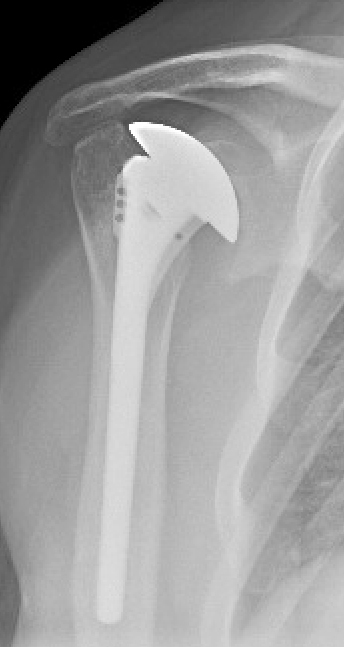
Of note, the only serious Cutibacterium periprosthetic shoulder infection we've encountered was in a woman body builder who used large doses of supplemental testosterone.

Further research will show us how we can understand and manage our patients' risk factors for infection and autoimmune diseases.

You can support cutting edge shoulder research that is leading to better care for patients with shoulder problems, click on this link

Follow on twitter/X: https://x.com/RickMatsen
Follow on facebook: https://www.facebook.com/shoulder.arthritis
Follow on LinkedIn: https://www.linkedin.com/in/rick-matsen-88b1a8133/

Here are some videos that are of shoulder interest
Shoulder arthritis - what you need to know (see this link).
How to x-ray the shoulder (see this link).
The ream and run procedure (see this link).
The total shoulder arthroplasty (see this link).
The cuff tear arthropathy arthroplasty (see this link).
The reverse total shoulder arthroplasty (see this link).
The smooth and move procedure for irreparable rotator cuff tears (see this link).
Shoulder rehabilitation exercises (see this link). 


Tuesday, October 25, 2022

What bugs cause shoulder infections and what can be done about it? Effect of testosterone levels in men and women

Shoulder infections are a major cause of poor outcomes from shoulder surgery. The authors of The POSI study: Gender differences in 94 cases Postoperative Shoulder Surgery Infection: Results of a 7-year retrospective multicenter study reviewed laboratory databases and medical records to to identify patients with a previous shoulder surgery and a confirmed shoulder infection, defined as two or more positive cultures for the same microorganism, or clear clinical infection (redness, heat, purulent drainage, abnormal intraoperative fluid or pus in the shoulder) with one or more positive culture or more.

Infections were identified after arthroplasty, fracture fixation, arthroscopic surgery and other open procedures.

Of note in the table below:
(1) Cutibacterium infections were identified at a mean of over 8 months following the index procedure
(2) Patients with Cutibacterium infections did not have more comorbidities (diabetes, obesity, immunosuppression, smoking) that patients infected with other bacteria.


The median time between index surgery and the first positive culture was five months and the mean was 23 months, (min 6 days – max 27 years).

Cutibacterium was identified in 64 patients (68%). Notably, C. acnes was not the only species of Cutibacterium identified in these cases of post-surgical infection.


The other two most common germs were Staphylococcus epidermidis (29%) and Staphylococcus aureus (17%). Polymicrobial infection was present in 30% of patients.

Cutibacterium was twice as frequent in males (74%) in comparison to females (29%).

S. epidermidis was more prevalent in women (46 %) compared to men (21%)

Cutibaterium was isolated in 70% of post arthroscopic infections.

S. epidermidis was three times more prevalent in chronic than in acute cases.


Comment: While this study did not provide data on the indications for revision surgery or the sampling and culturing protocols, it reinforces the fact that male patients are at greater risk for Cutibacterium infection after arthroplasty, arthroscopy, fracture fixation, and other surgical procedures. The reason for this association is addressed in a recent publication Association Between Serum Testosterone Levels and Cutibacterium Skin Load in Patients Undergoing Elective Shoulder Arthroplasty


In 51 patients undergoing elective shoulder joint replacement, total serum testosterone, free testosterone, and sex hormone binding globulin levels were obtained in the clinic before the surgical procedure and compared with the levels of Cutibacterium on the skin in clinic, on the skin in the operating room prior to the surgical procedure, and on the dermal wound edge of the incised skin during the surgical procedure.

Clinic skin Cutibacterium loads were strongly associated with both clinic free testosterone levels


and total serum testosterone levels.


The prepreparation skin and wound Cutibacterium levels at the time of the surgical procedure were also significantly associated with both the clinic total serum testosterone levels and the clinic free testosterone levels.


Patients admitting to taking supplemental testosterone had higher free and total testosterone levels.


A multivariate analysis demonstrated that serum testosterone was an independent predictor of high skin Cutibacterium loads, even when age and sex were taken into account. Patients taking supplemental testosterone had higher free testosterone levels and tended to have higher skin Cutibacterium loads.


Preoperative serum testosterone levels and cultures of the unprepared skin appear to be promising prognostic indicators of skin Cutibacterium levels and possibly of the risk of Cutibacterium infection. These tests may help indicate which patients deserve extraordinary prophylactic measures, such as Betadine lavage, topical antibiotics, and postoperative antibiotics.

While testosterone is often referred to as the "male" sex hormone, it is also present endogenously in women: see Blood androgen levels and breast cancer risk.

Exogenous testosterone is prescribed for women to increase bone density, increase energy levels, enhance cognitive performance, and enhance sexual response,: see Should we be prescribing testosterone to perimenopausal and menopausal women? A guide to prescribing testosterone for women in primary care and Testosterone therapy in women: Does it boost sex drive?

Exogenous testosterone is also used to enhance athletic performance:see Testosterone boosts women's athletic performance and Effects of moderately increased testosterone concentration on physical performance in young women: a double blind, randomised, placebo controlled study

It is used to enhance muscle mass in female and male body builders: The incidence of anabolic steroid use among competitive bodybuilders

And finally, exogenous testosterone is used in gender confirmation: see Masculinizing hormone therapy

Further clinical research will be needed to determine the utility of preopertative serum testosterone and cultures of the unprepared skin in determining the risk of Cutibacterium infections in men and women having shoulder surgery.

You can support cutting edge shoulder research that is leading to better care for patients with shoulder problems, click on this link.

To add this blog to your reading list in Google Chrome, click on the reading list icon


Follow on twitter: https://twitter.com/shoulderarth

Follow on facebook: click on this link

Follow on facebook: https://www.facebook.com/frederick.matsen

Follow on LinkedIn: https://www.linkedin.com/in/rick-matsen-88b1a8133/


Here are some videos that are of shoulder interest
Shoulder arthritis - what you need to know (see this link).
How to x-ray the shoulder (see this link).
The ream and run procedure (see this link).
The total shoulder arthroplasty (see this link).
The cuff tear arthropathy arthroplasty (see this link).
The reverse total shoulder arthroplasty (see this link).
The smooth and move procedure for irreparable rotator cuff tears (see this link).
Shoulder rehabilitation exercises (see this link).

Wednesday, December 15, 2021

Shoulder joint replacement infections - high testosterone levels may increase the risk

Association Between Serum Testosterone Levels and Cutibacterium Skin Load in Patients Undergoing Elective Shoulder Arthroplasty

These authors point out that periprosthetic joint infections are serious complications of shoulder arthroplasty. Cutibacterium are known to be the most common infecting organism. Although it is known that these infections are more common among men and that they are more common in patients with high levels of Cutibacterium on the skin, the possible relationship between serum testosterone levels and skin Cutibacterium levels has not been previously investigated.


 In 51 patients undergoing elective shoulder joint replacement, total serum testosterone, free testosterone, and sex hormone binding globulin levels were obtained in the clinic before the surgical procedure and compared with the levels of Cutibacterium on the skin in clinic, on the skin in the operating room prior to the surgical procedure, and on the dermal wound edge of the incised skin during the surgical procedure.


Clinic skin Cutibacterium loads were strongly associated with both clinic free testosterone levels 


and total serum testosterone levels. 


The prepreparation skin and wound Cutibacterium levels at the time of the surgical procedure were also significantly associated with both the clinic total serum testosterone levels and the clinic free testosterone levels. 


 Patients admitting to taking supplemental testosterone had higher free and total testosterone levels.


Patients who underwent the ream-and-run procedure had higher total and free testosterone levels

and higher skin Cutibacterium loads.


A multivariate analysis demonstrated that serum testosterone was an independent predictor of high skin Cutibacterium loads, even when age and sex were taken into account. Patients taking supplemental testosterone had higher free testosterone levels and tended to have higher skin Cutibacterium loads. 


The authors concluded that testosterone levels are predictive of skin Cutibacterium levels in patients undergoing shoulder arthroplasty. They suggest that this relationship deserves further investigation both as a risk stratification tool and as a potential area for intervention in reducing shoulder periprosthetic joint infection.


Comment: Preoperative serum testosterone levels and cultures of the unprepared skin appear to be promising prognostic indicators of skin Cutibacterium levels and possibly of the risk of Cutibacterium periprosthetic infection. These tests may help indicate which patients deserve extraordinary prophylactic measures, such as Betadine lavage, topical antibiotics, and postoperative antibiotics.


Follow on facebook: https://www.facebook.com/frederick.matsen

Follow on LinkedIn: https://www.linkedin.com/in/rick-matsen-88b1a8133/


How you can support research in shoulder surgery Click on this link.

Here are some videos that are of shoulder interest
Shoulder arthritis - what you need to know (see this link)
Shoulder arthritis - x-ray appearance (see this link)
The smooth and move for irreparable cuff tears (see this link)
The total shoulder arthroplasty (see this link).
The ream and run technique is shown in this link.
The cuff tear arthropathy arthroplasty (see this link).
The reverse total shoulder arthroplasty (see this link).

Shoulder rehabilitation exercises (see this link).

This is a non-commercial site, the purpose of which is education, consistent with "Fair Use" as defined in Title 17 of the U.S. Code.          

Note that author has no financial relationships with any orthopaedic companies


Sunday, July 4, 2021

Periprosthetic shoulder infection - a most instructive case

An active man in his late 20s had a right shoulder labral repair. After a dirt bike accident two years later he had glenohumeral instability and the x-ray appearance shown below.


He was treated with a revision posterior labral repair with an anteroinferior capsular shift and glenohumeral debridement.

Three years later he presented with a history of a chronically painful stiff shoulder requiring narcotic medication and this x-ray appearance.

The explanation for this arthritic change was unclear.

A swab of the unprepared shoulder skin in clinic grew 3+ Cutibacterium.

Because of his physical job and young age, he elected a ream and run procedure. At the time of the procedure it was noted that he was receiving supplemental testosterone which is thought to increase the risk of a Cutibacterium periprosthetic infection. At the time of this procedure another skin swab of the unprepared shoulder skin grew 2+ Cutibaterium. A swab of the freshly incised dermal edge grew 2+ Cutibacterium as well. His surgery went well and included soft tissue releases, glenoid reaming, Betadine lavage, topical vancomycin, and a 3 week course of postoperative oral antibiotics.

His postoperative x-ray is shown below.


After a "honeymoon" period of progressively improving comfort and function his shoulder became stiff and painful. Four months after his arthroplasty a manipulation under anesthesia was performed with a temporary gain in motion. Because of the return of painful stiffness he had a joint aspiration under fluoroscopic control. Minimal fluid was obtained and the culture of this fluid showed no growth. The radiographic appearance at that time showed an irregular glenoid surface with medial erosion.


One month later, because of persistent pain and stiffness requiring narcotic medication, he desired to proceed with a single stage prosthesis exchange with glenoid debridement and postoperative intravenous antibiotics. 

At the time of the revision a preoperative skin swab of his unprepared skin surface grew 1+ Cutibacterium. 

A frozen section showed "synovium with fibrosis, reactive hyperplasia, mononuclear inflammation and deposition of metallic particles, consistent with prosthetic joint wear debris. No significant neutrophilic inflammation."

His intraoperative cultures for Cutibacterium were as below. They are notable because the bacteria were not evenly distributed in the wound and that the explants yielded the higher levels of Cutibacterium than the soft tissues.

Soft tissue    
    Collar membrane - no growth
    Humeral membrane - broth only
    Glenoid membrane - 1+
    
Suture anchor - no growth

Explants
    Humeral head 1+
    Humeral stem 1+

After 6 weeks of intravenous antibiotics he remains on oral antibiotics. 

At three months after revision, he is off narcotics and is back to light duty. He has active elevation to 150 degrees with some residual shoulder pain. His x-ray at 3 months after surgery is shown below.


While long term followup will reveal the ultimate outcome, this case is instructive because of the pre-arthroplasty status included failure of two prior procedures, testosterone medication, high levels of Cutibacterium on the unprepared skin surface in a young active male.

We have come to recognize the "honeymoon" as a characteristic of Cutibacterium periprosthetic infection.

The negative fluid aspirate and lack of acute inflammation on the frozen section are common with Cutibacterium periprosthetic infections.

The high levels of Cutibacterium on the explants at the time of revision to the value of culturing prosthesis that are removed at revision.

Finally, the questions of whether the treatment of the periprosthetic infection has failed can only be answered if a subsequent re-revision reveals positive deep cultures for Cutibacterium. 


Here are some videos that are of shoulder interest
Shoulder arthritis - what you need to know (see this link).
How to x-ray the shoulder (see this link).
The total shoulder arthroplasty (see this link).
The ream and run technique is shown in this link.
The cuff tear arthropathy arthroplasty (see this link).
The reverse total shoulder arthroplasty (see this link).
The smooth and move procedure for irreparable rotator cuff tears (see this link).
Shoulder rehabilitation exercises (see this link).

Follow on twitter: Frederick Matsen (@shoulderarth)


Thursday, April 2, 2020

Predicting infection risk in shoulder arthroplasty

Cutaneous microbiology of patients having primary shoulder arthroplasty

These authors point out that shoulder periprosthetic infections are predominantly caused by bacteria residing in the skin of healthy individuals.

They tested the hypothesis that easy-to-obtain preoperative characteristics were significantly associated with the cutaneous microbiology and the loads of specific bacteria in shoulders having joint replacement.

They identified the microbiology of the unprepared epidermal skin surface and of the dermal edge freshly incised at surgery in 332 patients having primary shoulder arthroplasty.

The load of bacteria in each sample was characterized as a value based on the laboratory report: 0 for “no growth”; 0.1 for “one colony only” or for “broth only”; and 1, 2, 3, and 4 for 1+, 2+, 3+, and 4+ growth, respectively.

Cultures of the unprepared epidermal skin surface showed positive results for a wide variety of organisms, including Cutibacterium in 72%, coagulase-negative Staphylococcus in 61%, and a spectrum of other organisms in 32%.

By contrast, cultures of the freshly incised dermal edge showed a great preponderance of Cutibacterium (34%) in comparison to low levels of coagulase-negative Staphylococcus (8%) and other organisms (2%).


An increased dermal load of Cutibacterium was significantly associated with male sex (p<.001), younger patient age (p<.001), American Society of Anesthesiologists class 1 (p 0.046), use of testosterone supplements (p 0.014), prior shoulder surgery (p 0.046, and higher Cutibacterium loads on the unprepared skin surface (p<.001)

They concluded that although the microbiology of the unprepared skin surface is diverse, the same is not true for the freshly incised dermis, where Cutibacterium is the predominant organism.

Readily available preoperative patient characteristics were significantly associated with the load of Cutibacterium in the incised dermis.

Preoperative cultures of the unprepared skin surface appear to be a new method for predicting the type and load of bacteria found in the freshly incised dermis at the time of surgery.

Comment:  Knowledge of the preoperative characteristics of patients likely to have high dermal loads of Cutibacterium may help identify those for whom extraordinary means of prophylaxis (such as Betadine lavage, in-wound topical antibiotics, extended postoperative antibiotics) may be indicated to reduce the risk of periprosthetic infection.

The relationship of male sex, young age, good health, and testosterone supplements to the dermal load of Cutibacterium is consistent with previous observations that higher levels of male sex hormones are associated with increased sebum production in dermal pilosebaceous units and a commensurate increase in the number of Cutibacterium in these dermal structures.

It is of interest that the risk factors for higher loads of Cutibacterium in the dermal incisions for elective shoulder arthroplasty are quite different from the risk factors characteristically associated with periprosthetic infections of the hip and knee, which include older age, female sex, diabetes, high ASA score, obesity, and Medicaid insurance coverage.


We have a new set of shoulder youtubes about the shoulder, check them out at this link.

Be sure to visit "Ream and Run - the state of the art"  regarding this radically conservative approach to shoulder arthritis at this link and this link

Use the "Search" box to the right to find other topics of interest to you.

You may be interested in some of our most visited web pages   arthritis, total shoulder, ream and runreverse total shoulderCTA arthroplasty, and rotator cuff surgery as well as the 'ream and run essentials'


Friday, July 24, 2015

Shoulder arthroscopy has a high rate of positive cultures for Propionibacterium!

The Incidence of Propionibacterium acnes in Shoulder Arthroscopy.

Recognizing that Propionibacterium accounts for the majority of post-shoulder arthroscopy infections, these authors studied 51 patients having outpatient shoulder arthroscopy over a 15-month period. Patients received routine antibiotic prophylaxis (cephalexin, 1 g intravenously) before the procedure.

Initial cultures were obtained before the skin preparation by swabbing the skin at the 3 standard portal sites: posterior, anterosuperior, and anterolateral. Skin preparation was 4% chlorhexidine scrub and 2% chlorhexidine gluconate/70% isopropyl alcohol applied to the entire shoulder. After completion of the arthroscopic procedure, a second culture was obtained through a cannula at the surgical site. Cultures were observed for 21 days using Brucella medium.

Cultures showed a 72.5% Propionibacterium acnes superficial colonization rate: 46.1% of female and 81.6% of male patients (P = .027). The deep culture-positive inoculation rate of 19.6%, all with positive P acnes skin colonization. The average time for cultures to become positive was 12 days. 27% of the shoulders with positive skin cultures had positive deep cultures.

In the discussion, the authors point out, " The difference in P acnes colonization may be attributed to the significantly higher average serum testosterone levels in the male population versus in the female population (270 to 1,070 ng/dL in men v 15 to 70 ng/dL in women). This combined with the established relation between elevated testosterone levels and higher P acnes skin concentrations may account for the difference found between sexes."

The authors suggest that the repeated insertion of instruments and cannulas through the deep
dermis layer of skin may seed the joint with P acnes in all shoulder arthroscopy cases.

The authors have initiated the limited use of benzoyl peroxide skin preparation
in cases of shoulder arthroscopy in hopes of decreasing P acnes  bacterial load on skin.

They also obtain skin swabs in failed arthroscopic and open shoulder cases for the early identification of Propionibacterium.

Comment: Despite standard skin preparation and prophylactic antibiotics, the rate of deep tissue inoculation with Propionibacterium in shoulder arthroscopy was high. Shoulder surgeons must consider the frequency of this inoculation and develop strategies both for minimizing the size of the inoculation and preventing the inoculated bacteria from forming a durable biofilm on implanted suture and implants.