Tuesday, January 24, 2012

How does surgeon volume relate to the result of shoulder joint replacement?

The question often arises, ‘how important is surgeon experience in the outcome of surgical procedures, such as shoulder arthroplasty?” The evidence is that a high percentage of shoulder joint replacements are performed by surgeons who perform only a very few of these procedures each year and that the complication rates are higher for low volume surgeons than for high volume surgeons. For those interested the relevant references are listed below.

Birkmeyer JD, Stukel TA, Siewers AE, Goodney PP, Wennberg DE, Lucas FL. Surgeon volume and operative mortality in the United States. N Engl J Med 2003;349:2117-27.

Hammond JW, Queale WS, Kim TK, McFarland EG. Surgeon experience and clinical and economic outcomes for shoulder arthroplasty J Bone Joint Surg Am 2003;85:2318-24.

Hasan SS, Leith JM, Smith KL, Matsen FA 3rd. The distribution of shoulder replacement among surgeons and hospitals is significantly different than that of hip or knee replacement. J Shoulder Elbow Surg 2003;12:164-9. 

Jain N, Pietrobon R, Hocker S, Guller U, Shankar A, Higgins LD. The relationship between surgeon and hospital volume and outcomes forshoulder arthroplasty. J Bone Joint Surg Am 2004;86:496-505.

Katz JN, Losina E, Barrett J, Phillips CB, Mahomed NN, Lew RA, et al. Association between hospital and surgeon procedure volume and outcomes of total hip replacement in the United States medicare population. J Bone Joint Surg Am 2001;83:1622-9.


===
Use the "Search" box to the right to find other topics of interest to you.

You may be interested in some of our most visited web pages including:shoulder arthritis, total shoulder, ream and runreverse total shoulderCTA arthroplasty, and rotator cuff surgery as well as the 'ream and run essentials'


See from which cities our patients come.


See the countries from which our readers come on this post.

complications and survivorship in shoulder arthroplasty

The JSES recently published an article on factors predicting complications after primary hemi and total shoulder arthroplasty. Their study was based on data for all hospital discharges within the state of California in the years 1995 through 2005 were obtained from the California Office of Statewide Health Planning and Development (OSHPD), a mandatory database compiled annually by the state, and all nonfederal acute care hospitals within California containing discharge abstracts for every inpatient admission, regardless of insurance type. Auditing rules are in place to identify potentially erroneous batches of records, and a sample of the records is also audited for accuracy.

They found 15,288 patients having shoulder arthroplasty. There was no significant difference between patients undergoing total shoulder arthroplasty and hemiarthroplasty with respect to the aggregate risk of 90-day complications or the risk of implant failure within the study period. Patients having arthroplasty for fracture were shown to have a higher risk of short-term complications (odds ratio, 3.2; P < .001). Implant failure rates were lower in patients with fracture, rheumatoid arthritis, increased comorbidity, and advanced age. The overall mortality rate was 1.3%, and the pulmonary embolism rate was 0.6%.

The authors note that a variety of different complications can be encountered with shoulder arthroplasty. The most common include prosthetic loosening, glenohumeral subluxation or dislocation, periprosthetic fractures, infection, and neurovascular injury. They summarize the literature as showing an overall 14.7% complication rate, with component loosening (6.3%), particularly of the glenoid (5.3%), to be the most common.

Their finding that longer-term, implant survival is largely driven by factors associated with increased activity, such as age, suggests that there is a need for arthroplasty methods that are better suited for individuals wishing to remain active for long periods of time after surgery.  This is the motivation for our pursuit of the ream and run procedure.


--

Use the "Search the Blog" box to the right to find other topics of interest to you.

You may be interested in some of our most visited web pages including: shoulder arthritis, total shoulder, ream and runreverse total shoulderCTA arthroplasty, and rotator cuff surgery.

Blood clots after total joints - thromboembolic prophylaxis - conflict of interest - JBJS

The JBJS recently published an article by Lee et al entitled: Conflict of Interest in the Assessment of Thromboprophylaxis After Total Joint Arthroplasty: A Systematic Review. Although problems with deep venous thrombosis and pulmonary emboli are not common after shoulder surgery, they do occur. As mentioned in a previous post, it is a question of balancing the risk of blood clots versus the risk of bleeding.

The article by Lee et al takes a look at the recent published evidence regarding thromboprophylaxis with special regard to the relationship between industrial funding and the results of the study. 52 of the 71 articles were funded by industry. They found a significant association was observed between the funding source and qualitative conclusions. Only two (3.8%) of the fifty-two industry-sponsored studies had unfavorable conclusions, whereas three (21.4%) of the fourteen non-industry-sponsored studies indicated that, depending on the clinical scenario, the modality examined was neither effective nor safe.

They concluded that most studies on thromboprophylaxis after total joint arthroplasty are sponsored by industry and that  qualitative conclusions in those studies are favorable to the use of the sponsored prophylactic agent.

The lesson here is clear. Identifying conflict of interest is essential to the interpretation of the results of studies. As we have pointed out in previous posts, it is unfortunate that uncovering this critical information can be difficult. 

Our position is that a discussion of all conflicts of interest and their possible effects on study design, results and conclusions should be a part of the "limitations" paragraph of the Discussion section of each paper.

===

Use the "Search the Blog" box to the right to find other topics of interest to you.

You may be interested in some of our most visited web pages including: shoulder arthritis, total shoulder, ream and runreverse total shoulderCTA arthroplasty, and rotator cuff surgery.

Monday, January 23, 2012

Effectiveness of hyaluronic acid injections - placebo?

A recent JBJS study, "Intra-articular injection of hyaluronic Acid is not superior to saline solution injection for ankle arthritis: a randomized, double-blind, placebo-controlled study." A strong placebo effect from injections of saline concluded that "We found that a single intra-articular injection of low-molecular-weight, non-cross-linked hyaluronic acid is not demonstrably superior to a single intra-articular injection of saline solution for the treatment of osteoarthritis of the ankle."


While the ankle is not the shoulder it is interesting that the effect of a single injection was not significantly more effective than saline. The authors did refer to a large study of hyaluronic acid for shoulder pain with 200 randomized patients that found that the improvement in the saline solution placebo group was less than that in the hyaluronic acid treatment groups for shoulders with arthritis.

We previously posted some other articles on injections for shoulder arthritis, that you may enjoy reading.

===

Use the "Search the Blog" box to the right to find other topics of interest to you.

You may be interested in some of our most visited web pages including: shoulder arthritis, total shoulder, ream and runreverse total shoulderCTA arthroplasty, and rotator cuff surgery.

Chondrolysis - JBJS "current concepts review" - questions left unanswered

Those interested in chondrolysis of the shoulder may enjoy reading a letter by Benjamin Busfield, entitled "Questions left unanswered".

Some of the key points in his letter are summarized here:
(1) Apples and Oranges "Review articles tend to review existing literature, not re-classify the data. Why group pediatric hip chondrolysis cases with PAGCL patients? This is very likely two different pathologies presenting in vastly different patient populations. This also begs the issue of the authors merging of the terms chondrolysis and PAGCL. The term PAGCL, as I correctly stated in my initial letter to the editor that was disputed in the author reply, was indeed a term coined by Beck and Hansen.PAGCL was a new diagnosis in the shoulder at that time that occurred after arthroscopy and was associated with use of intra-articular pain pumps with local anesthetics. Numerous subsequent retrospective studies have confirmed this association in both the knee and the shoulder, and numerous laboratory studies have demonstrated the chondrotoxicity of local anesthetics. For obvious reasons, no prospective study can ethically be performed for patients receiving intra-articular pain pumps and local anesthetics to give us the highest level of evidence."

(2) The Evidence: "I find the inconsistent conclusion of this article and the grouping of all chondrolysis cases to be questionable, which creates significant concern as it has been published in our most respected journal. The advent of intra-articular pain pumps with local anesthetics in the 1990’s directly correlated with the development of PAGCL cases. All recent authors on this topic recommend against the use of intra-articular pain pumps and local anesthetics." See our post on "res ipsa".

(3) Disclosure: "It seems that both the “Joint Chondrolysis” CCR and the Solomon et al. paper were both co-authored by members of this corporation (Advance Health Solutions).  Regarding Advance Health Solutions, what is the nature of this corporation that is now co-authoring articles in our Orthopedic literature? .. I am concerned about possible bias on the part of Advance Health Solutions. Clearly an article that minimizes the role of pain pumps and local anesthetics as a cause of PAGCL would be looked upon favorably by the defense counsels of the pain pump manufacturers and could assist in deflecting blame toward their products. As the Orthopedic literature has committed to do with changes in the author disclosure forms, it is appropriate that we have complete transparency with regards to potential bias. The disclosure statement for the “Joint Chondrolysis” CCR states that none of the authors “received payments or services, either directly or indirectly (i.e., via his or her institution)” but there is disclosure of a “financial relationship” in the “thirty-six months prior to submission of this work, with an entity in the biomedical arena that could be perceived to influence or have the potential to influence what is written in this work.” There were no conflicts of interest reported in the Solomon et al. paper in 2009, the other paper on chondrolysis with contributions from Advance Health Solutions and largely the same authors as the “Joint Chondrolysis” CCR. If Advance Health Solutions has had pain pump manufacturers as clients with confidentiality agreements, are the company and Dr. Maryam Navaie held to our literature standard of full disclosure for publications? Are corporations also subject to the disclosure standards?" See also our post regarding disclosure in the CCR.

(4)  Disclosure: Dr. Busfield is a medicolegal consultant for plaintiffs in chondrolysis litigation
===


Use the "Search the Blog" box to the right to find other topics of interest to you.

You may be interested in some of our most visited web pages including: shoulder arthritis, total shoulder, ream and runreverse total shoulderCTA arthroplasty, and rotator cuff surgery.

Sunday, January 22, 2012

Complications of Nerve Blocks for Shoulder Surgery

A recent article on brachial plexus blocks for upper extremity surgery provides substantial detail regarding these procedures including a somewhat brief section on complications.

While these procedures have their proponents, we have found that the problems and complications associated with brachial plexus blocks overshadow the possible advantages. This is especially the case for nerve dysfunction that may seriously compromise the comfort and function of the arm and may be chronic or event permanent.

===


Use the "Search the Blog" box to the right to find other topics of interest to you.

You may be interested in some of our most visited web pages including: shoulder arthritis, total shoulder, ream and runreverse total shoulderCTA arthroplasty, and rotator cuff surgery.

Friday, January 20, 2012

American Academy of Orthopaedic Surgeons Clinical Practice Guideline on: Optimizing the Management of Rotator Cuff Problems

The Academy has published guidelines for the clinical management of rotator cuff problems.

What is discouraging is the lack of quality evidence in support of treatment for this most common of shoulder disorders:

"1. Full Thickness Tears and Asymptomatic Patients. In the absence of reliable evidence, it is the opinion of the work group that surgery not be performed for asymptomatic, full thickness rotator cuff tears.
Strength of Recommendation: Consensus opinion of the panel

2. Full Thickness Tears and Symptomatic Patients. Rotator cuff repair is an option for patients with chronic, symptomatic full thickness tears.
Strength of Recommendation: Weak

3. a. Rotator Cuff Tears and Exercise a. We cannot recommend for or against exercise programs (supervised or unsupervised) for patients with rotator cuff tears.
Strength of Recommendation: Inconclusive

3. b. Rotator Cuff Tears and Corticosteroid Injections. We cannot recommend for or against subacromial injections for patients with rotator cuff tears.
Strength of Recommendation: Inconclusive

3. c. Rotator Cuff Tears and NSAIDS, Activity Modification, Ice, Heat, Iontophoresis, Massage, T.E.N.S., PEMF, and Phonophoresis. We cannot recommend for or against the use of NSAIDS, activity modification, ice, heat, iontophoresis, massage, Transcutaneous Electrical Nerve Stimulation (TENS), Pulsed Electromagnetic Field (PEMF), or phonophoresis (ultrasound) for nonoperative management of rotator cuff tears.
Strength of Recommendation: Inconclusive

4. a. Rotator Cuff Related Symptoms and Exercise or Nonsteroidal Anti-Inflammatory Medication. We suggest that patients who have rotator cuff-related symptoms in the absence of a full thickness tear be initially treated non-operatively using exercise and/or non-steroidal anti-inflammatory drugs.
Strength of Recommendation: Moderate

4. b. We cannot recommend for or against subacromial corticosteroid injection or Pulsed Electromagnetic Field (PEMF) in the treatment of rotator cuff-related symptoms in the absence of a full thickness tear.
Strength of Recommendation: Inconclusive

4. c. Rotator Cuff Related Symptoms and Iontophoresis, Phonophoresis, Transcutaneous electrical nerve stimulation (TENS), ice, heat, massage or activity modification. We cannot recommend for or against the use of iontophoresis, phonophoresis, transcutaneous Electrical Nerve Stimulation (TENS), ice, heat, massage, or activity modification for patients who have rotator cuff related symptoms in the absence of a full thickness tear.
Strength of Recommendation: Inconclusive

5. Acute Traumatic Rotator Cuff Tears and Surgery  Early surgical repair after acute injury is an option for patients with a rotator cuff tear.
Strength of Recommendation: Weak

6. Perioperative Interventions –Corticosteroid Injections/NSAIDS. We cannot recommend for or against the use of perioperative subacromial corticosteroid injections or non-steroidal anti-inflammatory medications in patients undergoing rotator cuff surgery.
Strength of Recommendation: Inconclusive

7. a. Confounding factors – Age, Atrophy/Fatty Degeneration and Worker’s Compensation Status. It is an option for physicians to advise patients that the following factors correlate with less favorable outcomes after rotator cuff surgery:  Increasing Age, MRI Tear Characteristics, Worker’s Compensation Status
Strength of Recommendation: Increasing Age: Weak,

7. b. Confounding Factors - Diabetes, Co-morbidities, Smoking, Infection, and Cervical Disease. We cannot recommend for or against advising patients in regard to the following factors related to rotator cuff surgery: Diabetes, Co-morbidities, Smoking, Prior Shoulder Infection, Cervical Disease
Strength of Recommendation: Inconclusive

8. Surgery - Acromioplasty. We suggest that routine acromioplasty is not required at the time of rotator cuff repair.
Strength of Recommendation: Moderate**** See below

9. Surgery – Partial Rotator Cuff Repair, Debridement, or muscle transfers for patients with irreparable rotator cuff tears when surgery is indicated. It is an option to perform partial rotator cuff repair, debridement, or muscle transfers for patients with irreparable rotator cuff tears when surgery is indicated.
Strength of recommendation: Weak

10. a. Surgery – Tendon to Bone Healing. It is an option for surgeons to attempt to achieve tendon to bone healing of the cuff in all patients undergoing rotator cuff repair.
Strength of Recommendation: Weak

10. b. Surgery - Suture Anchors and Bone Tunnels We cannot recommend for or against the preferential use of suture anchors versus bone tunnels for repair of full thickness rotator cuff tears.
Strength of Recommendation: Inconclusive

10. c. We cannot recommend for or against a specific technique (arthroscopic, mini-open or open repair) when surgery is indicated for full thickness rotator cuff tears.
Strength of Recommendation: Inconclusive 

11. a. Surgery - Non-Crosslinked, Porcine Small Intestine Submucosal Xenografts. We suggest surgeons not use a non-crosslinked, porcine small intestine submucosal xenograft patch to treat patients with rotator cuff tears.
Strength of Recommendation: Moderate

11. b. Surgery - Allografts and Xenografts. We cannot recommend for or against the use of soft tissue allografts or other xenografts to treat patients with rotator cuff tears.
Strength of Recommendation: Inconclusive

12. Post-Operative Treatment - Cold Therapy. In the absence of reliable evidence, it is the opinion of the work group that local cold therapy is beneficial to relieve pain after rotator cuff surgery.
Strength of Recommendation: Consensus opinion of the panel

13. a. Post-Operative – sling, shoulder immobilizer, abduction pillow, or abduction braceWe cannot recommend for or against the preferential use of an abduction pillow versus a standard sling after rotator cuff repair.
Strength of Recommendation: Inconclusive

13. b. Post-Operative Rehabilitation – Range of Motion Exercises. We cannot recommend for or against a specific time frame of shoulder immobilization without range of motion exercises after rotator cuff repair.
Strength of Recommendation: Inconclusive

13. c. Post-Operative Rehabilitation – Active Resistance Exercises. We cannot recommend for or against a specific time interval prior to initiation of active resistance exercises after rotator cuff repair.
Strength of Recommendation: Inconclusive

13. d. Post-Operative Rehabilitation – Home Based Exercise and Facility Based Rehabilitation. We cannot recommend for or against home-based exercise programs versus facility-based rehabilitation after rotator cuff surgery.
Strength of Recommendation: Inconclusive

14. Post-Operative - Infusion Catheters. We cannot recommend for or against the use of an indwelling subacromial infusion catheter for pain management after rotator cuff repair.
Strength of Recommendation: Inconclusive"


****From the body of the report (q.v.) we find that this is the statement with the highest level of evidence (Level II). These recommendations are consistent with our previous posts and publications.  "Acromioplasty and release of the coracoacromial ligament is often included as part of a rotator cuff repair. Theoretical benefits of an acromioplasty in the setting of a rotator cuff repair include increasing the subacromial space available to facilitate the repair and also relieving extrinsic compression on the repair after completion. Despite these theoretical benefits, one quality study101 suggests that an anterior acromioplasty has no effect on final outcomes after rotator cuff repair. Two studies89, 81 reviewed the results of removing acromial bone (Bigliani type II and III acromions) and did not find any benefit in postoperative functional results.

One Level II randomized prospective study89 performed a comparison of 47 patients treated with an arthroscopic rotator cuff repair plus an associated anterior acromioplasty and coracoacromial ligament release with 46 patients who underwent rotator cuff repair alone. All patients had isolated supraspinatus rotator cuff tears with Bigliani type II acromion. The patients were evaluated preoperatively and an average of 15 months postoperatively with the American Shoulder and Elbow Surgeons Score. The authors reported no significant difference between groups of both final ASES scores and improvement from baseline. While these results suggest there was no difference in ASES scores between groups, this study was not sufficiently powered to detect the minimally clinically important improvement.

Another randomized, prospective study81 compared 40 patients treated with an arthroscopic rotator cuff repair, anterior acromioplasty and coracoacromial ligament release with 40 patients who underwent rotator cuff repair alone. All patients had a repairable full thickness tear and either a Bigliani type II or III acromion. At two years postoperatively, the authors reported no significant differences in final Constant-Murley scores or DASH scores. The Constant-Murley scores are suggestive that acromioplasty has no effect on outcome. The work group considered the DASH result a true negative because this study was sufficiently powered to show the nonsignificant result was also not clinically significant. These results suggest that acromioplasty has little or no effect on postoperative clinical outcomes; therefore it is not required for the management of normal acromial bone (including type II and III morphology at the time of rotator cuff repair).

Acromial spurs are independent from normal acromial bone. Spurs have been identified as acquired ossifications of the coracoacromial ligament on the undersurface of the acromion. This ossification is considered in excess of normal acromial bone and may have a pathological role in the process of rotator cuff disease. The work group recognizes that acquired acromial spurs are a topic of interest to many surgeons; however they are beyond the scope of the current guideline."


===


Use the "Search the Blog" box to the right to find other topics of interest to you.

You may be interested in some of our most visited web pages including: shoulder arthritis, total shoulder, ream and runreverse total shoulderCTA arthroplasty, and rotator cuff surgery.

Thursday, January 19, 2012

Ream and Run Technique


Be sure to visit "Ream and Run - the state of the art" regarding this radically conservative approach to shoulder arthritis at this link.

Also be sure to see the the ream and run essentials and this Video. of the shoulder function of some of the patients having had a ream and run.

As we discussed in another post today, failure of the polyethylene glenoid component is the most common complication of total shoulder arthroplasty. Concern about glenoid component failure leads surgeons to place long-term activity restrictions on their patients. In an effort to meet the demands of individuals wishing for high levels of physical activity after shoulder arthroplasty without concern about glenoid component failure we have explored the application of non-prosthetic glenoid arthroplasty with humeral hemiarthroplasty – the ream and run procedure. This procedure is technically exacting and requires the vigorous and full participation of the patient during what can be a lengthy rehabilitation process.

We have summarized some of the ream and run essentials here.

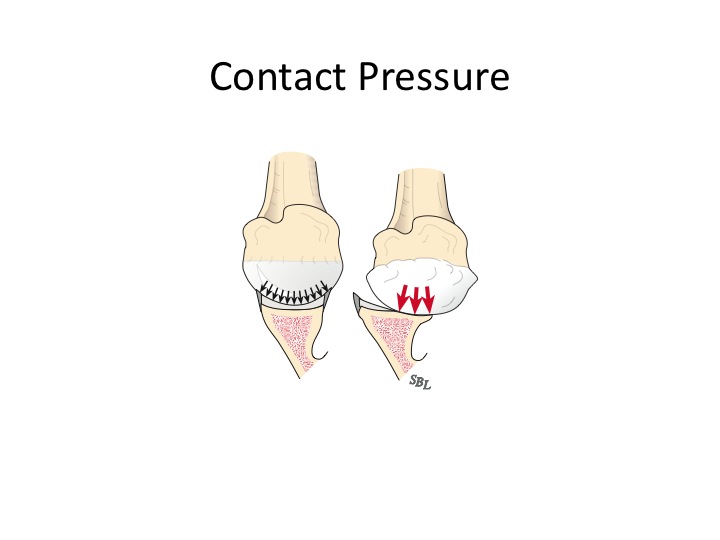
With the indispensable help of Steve Lippitt, the wonderful orthopaedic shoulder surgeon/artist, we share with you some of the 'pearls' regarding this procedure.

Once more, the Ream and Run glenohumeral arthroplasty is a technically demanding shoulder reconstruction that obviates concerns regarding failure of plastic or cement. Its objective is to manage the locally increased contact pressure that comes from glenoid wear in shoulder arthritis.


 The principle of the ream and run is to increase glenohumeral stability and reduce the local contact pressure by restoring a smooth, concentric biological glenoid surface that can remodel with fibrocartilage over it.


The ream and run is not the same as a humeral hemiarthroplasty or a resurfacing humeral arthroplasty (a shoulder cap) because neither of these procedures addresses the glenoid pathology.


This procedure is considered for informed, motivated individuals with primary or secondary osteoarthritis or capsulorrhaphy arthropathy. We discourage individuals who smoke, who regularly use narcotic medications, and who are not in excellent overall physical and mental health from considering this procedure.

Informed consent for this procedure begins with a detailed review with the patient of a handout and web resources, making sure that prospective patients understand clearly the risks and alternatives of this procedure as well as the requirement for a concerted rehabilitation effort on their part.

Preoperative planning includes a detailed history and physical examination, assessment of rotator cuff and neurologic function and high quality plain radiographs (anterior posterior view in the plane of the scapula and true axillary view).

We view the procedure as consisting of the following steps: (1) surgical approach, (2) humeral preparation, (3) glenoid preparation, (4) humeral prosthesis selection, (5) humeral prosthesis fixation, (6) soft tissue balancing, and (7) rehabilitation.

(1) Surgical Approach-After administration of prophylactic antibiotics. While a number of difference choices have been considered, we currently use Ceftriaxone and Vancomycin. If the patient is allergic to cephalosporins, we use Clindamycin.  After a thorough skin preparation, expose the shoulder through a long deltopectoral incision, incising the subscapularis from its origin and capsule from the anterior inferior humeral neck while carefully protecting all muscle groups and neurovascular structures.

· Select antibiotic prophylaxis in consideration of the observation that P Acnes and Coagulase Negative Staph are the organisms most commonly found in failed shoulder arthroplasties.

· Position the patient in a beach chair position with the shoulder at the edge of the table and the arm free.


· Carefully prepare and drape skin excluding exposed skin from the surgical field.

· Incise skin along a 10-centimeter line from mid clavicle across the coracoid process.

· Split the deltopectoral interval and clavipectoral fascia, preserving the coracoacromial ligament.

· Incise the subscapularis tendon from its origin, maximizing tendon length and preserving the long head of the biceps.

· Incise the capsule from the anterior and inferior humerus, carefully protecting the nearby neurovascular structures

· Frequently irrigate the wound using Vancomycin or Vancomycin + Cephalosporin in saline throughout the case to reduce the risk of contamination.


(2) Humeral preparation-Gently expose the proximal humerus; resect the humeral head at 45 degrees to the orthopaedic axis while protecting the rotator cuff; and vigorously excise all humeral osteophytes.

· Insert a broad flat retractor (i.e. Darrach) in the glenohumeral joint.

· Gently deliver the proximal humerus with a combination of external rotation, extension and adduction of the humerus

· Through a starting point on the humeral articular surface near the supraspinatus insertion, ream the humeral medullary canal to diameter where the distal reamer just begins to engage the endosteal cortex


· Using this reamer as an indication of the orthopaedic axis of the humerus, resect the humeral head at a 45 degree angle to this axis taking care to protect the rotator cuff; the cut surface should face 30 degrees posterior to the transcondylar axis of the elbow.

· While carefully protecting the neurovascular structures, completely resect the osteophytes from around the humeral neck.

· Preserve all resected bone in a sterile covered container on the surgical field.

(3) Glenoid preparation-After performing an extra-labral capsular release remove any residual cartilage, drill the glenoid centerline and ream the glenoid to a single concavity.

· With the upper extremity supported on a stand, place a broad retractor behind the glenoid to retract the proximal humerus posteriorly


· Incise the capsule from the labrum, leaving the labrum attached to the glenoid. If the preoperative axillary x-ray shows posterior subluxation, stop the release just before the inferior glenoid. 


· If the shoulder is tight, but not posteriorly subluxated, perform a 360-degree extralabral periglenoid release.

· Curette any residual cartilage from the surface of the glenoid.

· If this exposes a biconcavity, bur down the ridge between the two concavities.


· Locate the position of the hole for the nub of the glenoid reamer: midway between the front and the back of the glenoid and slightly above the superior/inferior midpoint. 


· After drilling this hole, ream the glenoid to a single concavity.

We prefer a 58 mm diameter reamer in all but very small shoulders for use in conjunction with a 56 mm diameter humeral head in that this combination optimizes load transfer.


· In reaming, prioritize bone preservation (i.e. minimize bone removal) over ‘normalization’ of the glenoid version.


(4) Humeral prosthesis selection-Select a humeral prosthesis that fits the medullary canal and that provides the desired mobility and stability of the arthroplasty.

· Using instruments of a diameter equal to that of the largest medullary reamer that was fully inserted into the medullary canal, broach the proximal humerus

· Select trial humeral heads of a diameter of curvature 2 mm smaller than that to which the glenoid was reamed (56 mm in almost all cases).

· Select the trial humeral head with a height that allows 60 degrees of internal rotation of the arm abducted to 90 degrees and just less than 50% posterior subluxation of the humeral head on the glenoid.

· Check to be sure that there is no unwanted contact between bone at the medial or posterior aspect of the humerus with the glenoid.


· If excessive posterior subluxation occurs when the arm is flexed, consider an offset (eccentric) humeral head prosthesis with the larger aspect anteriorly.


· Select the final prosthesis based on this trialing and assemble it on the back table using new sterile gloves


(5) Humeral prosthesis fixation-Fix the humeral component using impaction autografting.

· Irrigate the medullary canal with antibiotic-containing saline solution

· Using morcelized bone harvested from the resected humeral head and osteophytes, impact autograft into the canal using an impactor of the same geometry as the definitive humeral stem. Continue impaction until the impactor becomes snug when it is one centimeter above the fully seated position. 


· Make six drill holes through solid bone at the margin of the humeral neck cut, beginning at the top of the lesser tuberosity.

· Pass #2 non-absorbable sutures through each of the six holes.

· Irrigate the medullary canal with antibiotic-containing saline solution

· Using sterile gloves and insertion tools, seat the definitive prosthesis so that it achieves the desired register with the reamed glenoid.


· Check again to be sure that there is no unwanted contact between bone of the medial or posterior aspect of the humerus with the glenoid (Pooh corner and open book as described above).


(6) Soft tissue balancing-After the definitive humeral prosthesis is in place, assure the desired balance of mobility and stability. If there is excessive posterior translation, consider a rotator interval plication.

· Examine the range of flexion (ideally 150 degrees), the range of internal rotation of the abducted arm (ideally 60 degrees), the posterior translation (ideally just less than 50% of the width of the glenoid, and 40 degrees of external rotation with the subscapularis approximated to its insertion.


· If the shoulder allows too much posterior translation consider a humeral head with greater height or anterior offset (eccentricity)

· If the shoulder continues to allow too much posterior translation (drop back on elevation) consider a rotator interval plication.


· If the shoulder is too tight, consider additional soft tissue releases or downsizing the humeral head height

· Repair the subscapularis tendon securely using the previously placed six sutures.


Post operative x-ray should show a nicely centered humeral head.

===
To see a YouTube video on how the ream and run is done, click on this link.

=====
To see our new series of youtube videos on important shoulder surgeries and how they are done, click here.

Use the "Search" box to the right to find other topics of interest to you.


You may be interested in some of our most visited web pages  arthritis, total shoulder, ream and runreverse total shoulderCTA arthroplasty, and rotator cuff surgery as well as the 'ream and run essentials'


Glenoid component loosening after total shoulder replacement for arthritis - JBJS

The current issue of the Journal of Bone and Joint Surgery presents analysis of the Patterns of Loosening of Polyethylene Keeled Glenoid Components  by a group of respected colleagues, including our French friends Walch, Gazielly, Mole and Boileau.  In this study 518 total shoulder replacements performed at one of 10 European centers for primary glenohumeral osteoarthritis had radiographic (x-ray) followup of over five years. The keeled glenoid component was fixed to the bone with cement.  166 (32%) had x-ray evidence of loosening. 136 had migration (shift or subsidence) of the component.

This article points, again, to the risk of glenoid component failure after total shoulder replacement. The authors sought risk factors for each of three different types of component migration. 

Superior tilting of the component was statistically associated with low positioning of the glenoid component, with positioning of the glenoid in a superiorly inclined position, and with superior subluxation of the humeral head (as is seen in rotator cuff insufficiency). Subsidence of the glenoid component was associated with glenoid reaming. Posterior tilting of the component was associated preoperative posterior subluxation and with excessive reaming. This is a problem, because the anatomy described as a "B-2 glenoid" (shown below from their figure 4), is rather typical of the anatomy encountered in shoulder arthroplasty.


The authors conclude that preserving subchondral bone may be important to the survivorship of the component fixation. They also indicate that eccentric loading (especially superior or posterior) is a risk factor for glenoid failure by what we have called the rocking horse mechanism.

Other factors may have contributed to the glenoid failures in this series. For example in figure 2, shown below, the postoperative film (left) showed radiolucent lines around the cement as well as a large volume of cement, which is may cause enough heat to kill the adjacent bone.


The authors have identified a 'catch-22': preoperative posterior tilting predisposes to glenoid component loosening, but correcting this tilting by reaming also predisposes to glenoid component loosening. The authors suggest the possible role of bone grafting in such situations, but the evidence supporting this approach is limited.

It is the concern about glenoid component failure that led us to explore the ream and run procedure. It is of note that in situations of severe posterior glenoid erosion the humerus can be stabilized in the reamed glenoid without sacrificing glenoid bone stock and without undertaking the risk of glenoid component failure.

===


Use the "Search the Blog" box to the right to find other topics of interest to you.

You may be interested in some of our most visited web pages including: shoulder arthritis, total shoulder, ream and runreverse total shoulderCTA arthroplasty, and rotator cuff surgery.

Thursday, January 12, 2012

The acromion and rotator cuff tears and impingement - JSES

A recent article in the Journal of Shoulder and Elbow Surgery explored the reliability of the radiographic interpretation of the acromial shape as well as the associations of acromial morphology with the presence of  rotator cuff tears in asymptomatic patients. The authors found poor agreement among three observers on the acromial type (I, II or III). Neither the acromial type nor the acromial index were statistically associated with the presence of a rotator cuff tear. The presence of an acromial spur was strongly associated with the presence of a cuff tear, but the authors were careful to point out that this association demonstrated causation (which is the chicken and which is the egg) or that 'impingement' was the common mechanism for rotator cuff failure.

Readers may wish to review previous posts on this topic.

===

Use the "Search the Blog" box to the right to find other topics of interest to you.

You may be interested in some of our most visited web pages including: shoulder arthritis, total shoulder, ream and runreverse total shoulderCTA arthroplasty, and rotator cuff surgery.

Platelet rich plasma - what is the evidence? JBJS

A recent meta-analysis of the use of platelet-rich plasma points to the increasing use of "PRP" in the absence of good evidence supporting its efficacy.


This article comes to a similar conclusion as that in our November 27, 2011 post.


====


Use the "Search the Blog" box to the right to find other topics of interest to you.

You may be interested in some of our most visited web pages including: shoulder arthritis, total shoulder, ream and runreverse total shoulderCTA arthroplasty, and rotator cuff surgery.

Tuesday, January 10, 2012

humeral head resurfacing arthroplasty and humeral hemiarthroplasty in cadavers - JBJS Jan 2012

Hammond et al performed a seven cadaver study comparing humeral head resurfacing and hemiarthroplasty.

The authors disclose that this study was funded by a grant from Arthrosurface (which was the resurfacing prosthesis used in this study) and that one of the authors has a consultancy arrangement with Arthrex (which markets this prosthesis).

The model was of a normal shoulder, not of a shoulder with any of the types of conditions for which shoulder arthroplasty is performed. In contrast to the clinical situation where shoulder joint replacement is indicated, the glenoid anatomy was normal.

The resurfacing technique involved reaming away the surface of the normal humeral head around a guidewire and then placing a resurfacing cap over the guidewire. In this procedure the humeral head is not removed. When approaching a patient with shoulder arthritis, both sides of the joint (the humeral head and the glenoid) are almost always involved. Retaining the humeral head severely compromises access to the glenoid making the glenoid arthroplasty (which fails most often) even more difficult. When using a humeral hemiarthroplasty the humeral articular surface can be sized with respect to thickness and radius of curvature and positioned at the height, version, medial/lateral and anteroposterior configuration that best suits the kinematics of the shoulder after the arthritic glenoid has been managed by either a ream and run or a total shoulder arthroplasty.

The hemiarthroplasty technique involved removing the humeral head which, in a real patient, would be important for accessing the glenoid so that the glenoid arthroplasty could be optimized.

With in vitro testing in 20 different positions, the glenohumeral contact area (Table I), the mean contact pressure (Table II), and the peak contact pressure (Table III) were not significantly different among the three preparations (intact, resurfacing and hemiarthroplasty). The peak pressure was significantly elevated, compared with that in the intact condition, in five of the twenty positions following resurfacing and in two of the twenty positions following hemiarthroplasty.

The authors of this paper placed the apex of the humeral head significantly more superiorly following resurfacing than in the intact condition in two of the twenty positions. Using their technique, the apex of the humeral head was located significantly more superiorly following hemiarthroplasty than in the intact condition in all twenty positions. However, these authors did not use the many methods available for optimizing the position of the humeral head with respect to the reconstructed glenoid in the surgical management of glenohumeral arthritis, including adjusting the height, curvature, thickness, version, and eccentricity of the humeral head.

The authors' conclusions: "Resurfacing more closely restored the geometric center of the humeral head than hemiarthroplasty did, with less eccentric loading of the glenoid. Compared with hemiarthroplasty, humeral resurfacing may limit eccentric glenoid wear and permit better function because the glenohumeral joint biomechanics and the moment arms of the rotator cuff and the deltoid muscle are restored more closely to those of the intact condition" seem valid in a cadaver model of a normal shoulder. However the realities of the clinical management of the arthritic shoulder do not suggest that a resurfacing provides the necessary access to the glenoid, where the real challenges lie, nor the flexibility in humeral head reconstruction that are offered by a stemmed humeral component
--


If you have suggestions for topics you'd like us to address in this blog, please send an email to

Use the "Search the Blog" box to the right to find other topics of interest to you.

You may be interested in some of our most visited web pages including:shoulder arthritis, total shoulder, ream and runreverse total shoulderCTA arthroplasty,  and rotator cuff surgery.