Showing posts with label JSES. Show all posts

Saturday, December 14, 2019

Next-generation sequencing - what does it detect?

Next-generation sequencing for diagnosis of infection: is more sensitive really better?

These authors  point out that the utility of next-generation sequencing (NGS) in differentiating between active infection and contaminant or baseline flora remains unclear. They conducted a study of primary shoulder arthroplasty patients with no history of infection or antibiotic use within 60 days of surgery was enrolled. All patients received standard perioperative antibiotics. After skin incision, a sample of the medial skin edge was excised. A synovial tissue biopsy was taken from the rotator interval after subscapularis takedown. Each sample set was halved and sent for NGS and standard cultures.

The 3 most common bacteria identified by NGS of the skin samples (all species 10% of bacterial burden) were C acnes (44%, 11 individuals), Staphylococcus epidermidis (24%, 6 individuals), and Escherichia coli (20%, 5 individuals). The following species were each detected at the 10% bacterial load threshold for 1 patient: Enterococcus faecalis, Bacillus senegalensis, Staphylococcus saccharolyticys, Corynebacterium kroppenstedtii, Porphyromonas uenonis, Ureaplasma urealyticum, Arthrobacter sp, and Corynebacterium sp.

The 3 most common bacteria identified by NGS of the deep tissue samples (all species 10% of bacterial burden) were E coli (16%, 4 individuals), C acnes (12%, 3 individuals), and S epidermidis (8%, 2 individuals). The following species were each detected at the 10% bacterial load threshold for 1 patient: Staphylococcus aureus, Neisseria shayeganii, Streptococcus equinus, Catenabacterium mitsuokai, and Megamonas funiformis.

Comment: This study did not actually examine the utility of NGS for the diagnosis of infection; instead it looked at shoulders having primary arthroplasty.

The article did not directly compare the bacterial species identified by (a) culture and (b) NGS for each patient.

Finally, as in the case of the article discussed below, it would have been helpful if the authors had run negative controls for NGS to make sure that the unexpected bacterial DNA found by NGS (e.g. E Coli, Bacilli, Porphyromonas, Ureplasma, Arthrobacter, Neisseria, Megamonas) were not the result of DNA contamination unrelated to the presence of viable organisms.

Comparative study of cultures and next-generation sequencing in the diagnosis of shoulder prosthetic joint infections

In 44 patients undergoing revision shoulder arthroplasty, these authors compared bacterial identification by (1) culturing and (2) next-generation sequencing (NGS). They included patients with and without preoperative clinical signs of infection. Tissue samples were obtained from the anterior capsule, inferior capsule, glenoid, humeral canal, and underneath the prosthetic humeral head was obtained using “fresh” instruments. Culture media included anaerobic sheep blood agar and anaerobically prereduced hemin-thioglycolate broth. Aerobic media were apparently not used.

The total genomic DNA was isolated from tissue samples. These were then amplified for pyrosequencing. Amplification products were visualized, pooled, and subjected to size selection. Size-selected pools were then quantified and hybridized to generate single-stranded DNA. Single-stranded DNA was diluted and analyzed by emulsion-based polymerase chain reaction. The resulting amplification products were subsequently enriched and sequenced. Trimmed sequences were then run through USEARCH to cluster the sequences and mapped using the USEARCH UPARSE operational taxonomic unit (OTU) selection algorithm. Mapped sequences were then grouped by OTU; quality scoring-based sequence correction was then performed. Corrected sequences were then run through the Research and Testing Laboratory Genomics taxonomic analysis pipeline to determine the taxonomic classifications and abundance for each sample. Selected OTUs were then aligned using MUSCLE and a phylogenetic tree generated using FastTree. The selected OTU sequences were then globally aligned using USEARCH against a database of classified 16S sequences. Confidence values were assigned to each OTU classification, and the lowest common ancestor was determined based on these confidence values. The top hit and lowest common ancestor was then reported for each OTU.

Positive cultures were present in more than 50%, and positive NGS results were present in almost 40% of revision arthroplasty cases.

Cutibacterium (formerly Propionibacterium) acnes was the most common bacterial species cultured (8 of 13 [61.5%]) and identified by NGS (12 of 17 [70.1%]) in cases of definite and probable infection. The concordance (κ) between the 2 diagnostic criteria for defining infection that included culture or NGS was 0.333 (fair). Data from the 44 cases is shown below.


=====
We have a new set of shoulder youtubes about the shoulder, check them out at this link.

Be sure to visit "Ream and Run - the state of the art" regarding this radically conservative approach to shoulder arthritis at this link and this link

Use the "Search" box to the right to find other topics of interest to you.

Thursday, November 28, 2019

Can topical agents eliminate Cutibacterium from the skin?

Cutibacterium acnes persists despite topical clindamycin and benzoyl peroxide

These authors examined the effectiveness of topical antimicrobials such as benzoyl peroxide and clindamycin to reduce the levels of Cutibacterium in the skin of the upper backs of 12 volunteers (10 men and 2 women). The upper back of each subject was randomized into 4 treatment quadrants: topical benzoyl peroxide, topical clindamycin, combination topical benzoyl peroxide and clindamycin, and a negative control. The corresponding topical agents were applied to each site twice daily for 3 days.

A 3-mm dermal punch biopsy specimen was obtained from each site and cultured for 14 days to assess for C acnes growth. Positive cultures were assessed for the hemolytic phenotype. 

C acnes grew in 4 of 12 control sites (33.3%), 1 of 12 benzoyl peroxide sites (8.3%), 2 of 12 clindamycin sites (16.7%), and 2 of 12 combination benzoyl peroxide–clindamycin sites (16.7%).


The C acnes hemolytic phenotype was present in 2 of 12 control specimens (16.7%) compared with 0 (0.0%) in the benzoyl peroxide group, 2 of 12 (16.7%) in the clindamycin group, and 2 of 12 (16.7%) in the combination benzoyl peroxide–clindamycin group. There were no statistically significant differences between treatment arms.

Comment:  The lack of statistically significant differences between the treatment groups results from the small number of subjects leading to a lack of statistical power. For example, a post hoc comparison of control vs BPO has a statistical power of only 31%, rather than the desired 80%. A sample size calculation indicates that a study with 40 subjects would show a significant difference.

While this study shows that topical agents did not always eliminate Cutibacterium from the dermis, the apparent reduction in the number of positive cultures may be of clinical interest and importance. Of note, the authors noted no adverse reactions to any of the topical agents.

It seems that the role of topical agents in reducing levels of Cutibacterium merits further study.

=====
To see our new series of youtube videos on important shoulder surgeries and how they are done, click here.

Use the "Search" box to the right to find other topics of interest to you.


You may be interested in some of our most visited web pages  arthritis, total shoulder, ream and runreverse total shoulderCTA arthroplasty, and rotator cuff surgery as well as the 'ream and run essentials'


Wednesday, November 27, 2019

Reverse total shoulder scapular notching - it's not only about the scapula

Impact of scapular notching on reverse total shoulder arthroplasty midterm outcomes: 5-year minimum follow-up

These authors observe that the impact of scapula notching on reverse total shoulder arthroplasty (rTSA) clinical outcomes is controversial. They conducted an analysis of 324 rTSA patients with 5 years of minimum (average (75 mo)  follow-up to evaluate the relationships between notching and clinical outcome.

47 patients (14.5%) had scapular notching; for these patients, the average notching grade was 1.7 0.8 (24 grade 1, 15 grade 2, and 8 grade 3). The average time to notch development was 51.4 months; grade 1, grade 2, and grade 3 notches developed at 49.0 months, 57.5 months, and 71.6 months, respectively. No preoperative differences were observed between cohorts. 

At latest follow-up, scapular notching patients had significantly worse outcome scores and significantly less active abduction, forward flexion, and strength.


Finally, scapular notching patients had significantly more complications, revisions, and humeral radiolucent lines.


Comment: From these results it can be seen that patients with scapular notching do, on average, less well than those without.

Scapular notching is a phenomenon observed on x-rays as shown below. It can extend to the point where the screw fixation of the glenoid base plate is jeopardized.


What cannot be seen on x-ray is what is on the other side of the notching, i.e. the polyethylene of the humeral cup. The poly fares poorly when it repeatedly contacts the bone of the scapula. When the poly is eroded (see below) small particles of poly debris are released into the joint, where they can cause pain and stiffness. This particulate debris can also contribute to loosening of the humeral and glenoid components.


Anytime we have unintended contact between high density polyethylene and bone, it is a problem. Scapular notching is a radiographic finding, but the real concerns are about (1) the damage to the poly of the humeral cup, (2) loss of the bone of the scapula that supports the glenoid component, and (3) the potential for instability resulting from leverage of one against the other. See this previous post which discusses this phenomenon in some detail.


In the Grammont-type reverse total shoulder, contact of the adducted humeral component against the scapula is not uncommon as shown in this figure from a manufacturer's website.


These authors retrospectively reviewed 448 patients who underwent a Grammont-type reverse total shoulder  (461 shoulders) performed for rotator cuff tear arthropathy or osteoarthritis with cuff deficiency with a mean followup of 51 months (range, 24-206 months). They found notching of the scapula in 68% of the cases; it was present in 48% at one year after surgery. 

Notching was more common in active patients, in patients with cuff tear arthropathy, and in patients with greater degrees of superior displacement of the humeral head before surgery. Strength and range of motion were compromised in patients with notching.

Importantly, 36% of shoulders with notching had humeral radiolucent lines (in contrast to 17% in those without notching), suggesting the possibility that polyethylene particles from the humeral cup causing bone resorption. Similarly glenoid loosening was three times more common in the presence of notching.

The authors point out that standardized plain x-rays are necessary for the evaluation of notching, noting that sometimes notching is better seen on the axillary view.

Comment: Scapular notching is important and can be expected to adversely affect the long term durability and function of the reverse. It is best avoided by (1) use of a glenoid component design that offsets the center of rotation from the scapula, (2) proper positioning of the glenoid component at the inferior aspect of the glenoid, (3) avoiding superior tilt of the glenoid component, and carefully checking for contact between the humeral component and scapula at surgery when the arm is adducted and rotated. If contact is noted after component implantation, careful resection of the contacting scapular bone may be helpful.


To see a YouTube of our technique for a reverse total shoulder arthroplasty, click on this link.

=====
To see our new series of youtube videos on important shoulder surgeries and how they are done, click here.

Use the "Search" box to the right to find other topics of interest to you.


You may be interested in some of our most visited web pages  arthritis, total shoulder, ream and runreverse total shoulderCTA arthroplasty, and rotator cuff surgery as well as the 'ream and run essentials'

Thursday, November 21, 2019

Total shoulder arthroplasty - selecting the glenoid component

Clinical and radiographic comparison of a hybrid cage glenoid to a cemented polyethylene glenoid in anatomic total shoulder arthroplasty

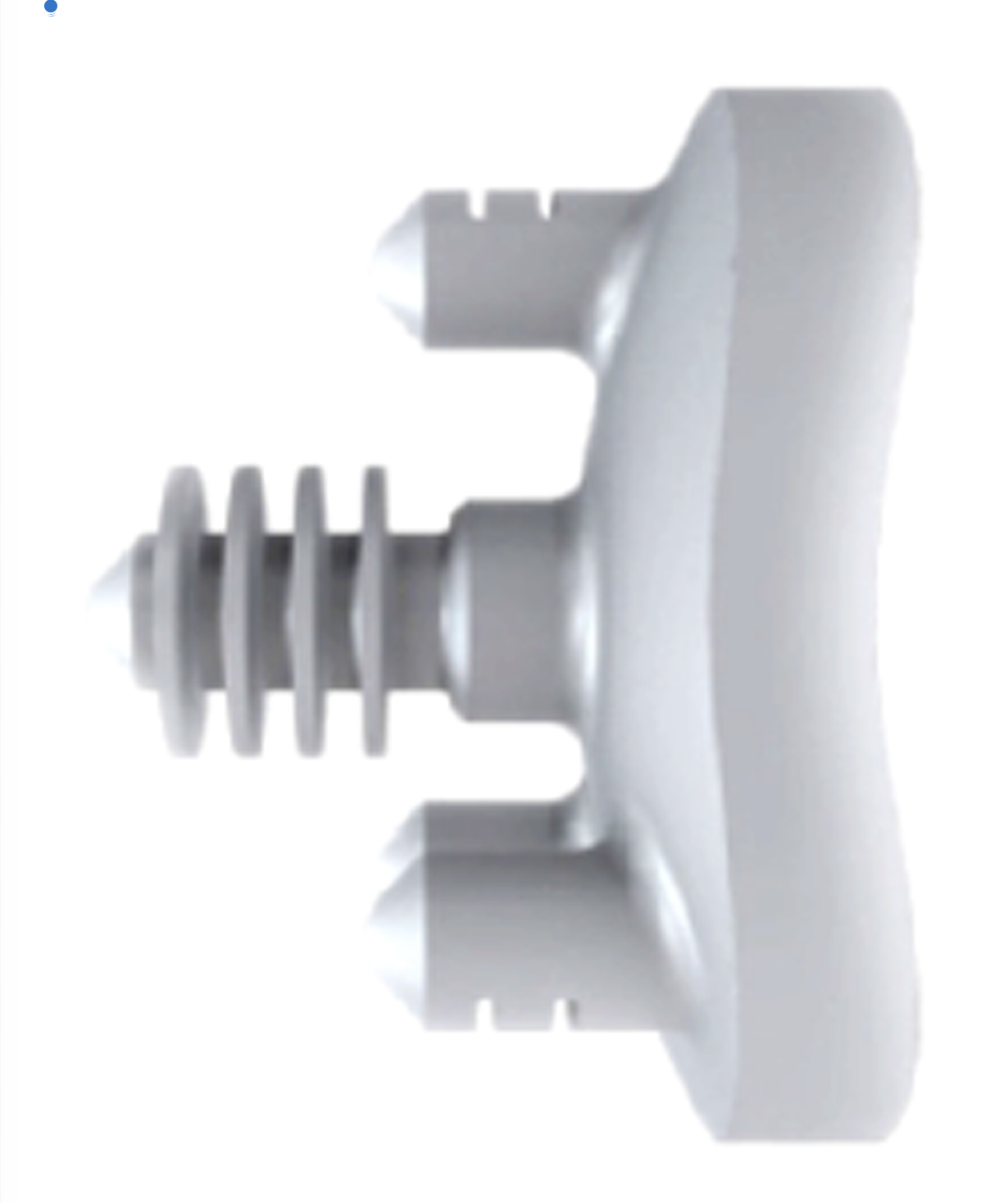
These authors report the clinical and radiographic outcomes of 316 Exactech hybrid cage glenoids below left) to an age-matched, sex-matched, and follow-up–matched cohort of 316 Exactech cemented all polyethylene glenoid (below right) in patients undergoing anatomic total shoulder arthroplasty with 2 years’ minimum follow-up.


The Exactech cage glenoid patients had significantly lower rates of radiolucent glenoid lines (9.0% vs. 37.6%, P < .0001) and radiolucent humeral lines (3.0% vs. 9.1%, P . .0088) than the Exactech all-polyethylene peg glenoid patients. In the cage glenoid cohort, 4 cases of aseptic glenoid loosening (1.3%) and 4 cases of articular surface dissociation (1.3%) occurred as shown below.


In the all-polyethylene peg cohort, 12 cases of aseptic loosening (3.8%) occurred. Cage glenoid patients had a significantly lower revision rate than all-polyethylene peg glenoid patients (2.5% vs. 6.9%, P . .0088).

Comment: These authors point out the importance of exact alignment of the drilled holes and the direction of impaction required by the metal-coated  pegs.

The required direction and accuracy may be difficult to achieve because of challenges with exposure, especially in retroverted glenoids.

Failure to achieve the desired alignment of the holes with the reamed bony surface can result in failure of the component as shown below.

In contrast to the all-polyethylene component with smooth pegs used in this study, we prefer a component with a fluted central peg.

This component has several advantages, including (1) the flexibility of the pegs that can better accommodate minor degrees of malalignment in comparison to the more rigid hybrid pegs and (2) the fluted central peg that allows bone ingrowth which cannot occur with the smooth pegs used in this study.


To see a YouTube of our technique for total shoulder arthroplasty, click on this link.

=====
To see our new series of youtube videos on important shoulder surgeries and how they are done, click here.

Use the "Search" box to the right to find other topics of interest to you.


You may be interested in some of our most visited web pages  arthritis, total shoulder, ream and runreverse total shoulderCTA arthroplasty, and rotator cuff surgery as well as the 'ream and run essentials'

Wednesday, October 30, 2019

Periprosthetic shoulder infections - who is at greatest risk?

Factors predictive of Cutibacterium periprosthetic shoulder infections: a retrospective study of 342 prosthetic revisions

Cutibacterium are the most common cause of periprosthetic shoulder infections, as defined by 2 deep cultures. Established Cutibacterium periprosthetic infections cannot be resolved without prosthesis removal. However, the decision for implant removal must be made from an assessment of infection risk before the results of intraoperative cultures are finalized. These authors hypothesized that the risk for a Cutibacterium infection is associated with characteristics that are available at the time of revision arthroplasty.

In a retrospective review of 342 patients having prosthetic revisions between 2006 and 2018 for whom definitive deep culture results were available, they used univariate and multivariate analyses to compare the preoperative and intraoperative characteristics of 101 revisions with Cutibacterium periprosthetic infections to the characteristics of 241 concurrent revisions not meeting the definition of infection.

Patients with definite Cutibacterium periprosthetic infections were younger (59  ± 10 vs. 64 ± 12, P <.001), were more likely to be male (91% vs. 44%, P <.001), were more likely to have had their index procedure performed for primary osteoarthritis (54% vs. 39%, P . .007), were more likely to be taking testosterone supplements (8% vs. 2%, P ..02), had lower American Society of Anesthesiologists scores (1.9 ± 0.7 vs. 2.3 ± 0.7, P < .001), and had lower body mass indices (29 ± 5 vs. 31 ± 7, P ..005). Patients with definite Cutibacterium periprosthetic infections also had significantly higher preoperative loads of Cutibacterium on their unprepared skin surface (1.7 0.9 vs. 0.4 0.8, P < .001) and were more likely to have the surgical finding of synovitis (41% vs. 16%, P < .001).


This study indicates that the risk of a revised shoulder arthroplasty having a definite Cutibacterium periprosthetic infection was associated with certain readily available preoperative and intraoperative observations, such as patient age and sex, ASA, BMI, the use of testosterone supplements, the results of preoperative skin surface cultures, and the intraoperative finding of synovitis. Because these observations are available to the surgeon at the time of revision arthroplasty, they may be considered in the intraoperative decisions regarding the advisability of prosthesis exchange.

Comment:  This study suggests that, contrary to the experience with hip and knee periprosthetic infections, patients with shoulder periprosthetic infections are more likely to be young, healthy males. There is evidence to suggest that the levels of the male sex hormone, testosterone, may increase the production of sebum in the sebaceous glands of the dermis overlying the shoulder as well as the number of cutbaterium in these glands. Thus young male, healthy patients having shoulder arthroplasty appear more likely to have Cutibacterium introduced into their wounds at the time of shoulder arthroplasty.

=====
To see our new series of youtube videos on important shoulder surgeries and how they are done, click here.

Use the "Search" box to the right to find other topics of interest to you.


You may be interested in some of our most visited web pages  arthritis, total shoulder, ream and runreverse total shoulderCTA arthroplasty, and rotator cuff surgery as well as the 'ream and run essentials'

Friday, October 11, 2019

Stemless shoulder arthroplasty - what is its value?

Stemless shoulder arthroplasty: review of short and medium-term results

These authors suggest that "stemless" humeral components have theoretical advantages, including preserved bone stock, decreased operating time, reduced rate of intraoperative humerus fracture, and flexibility of anatomic reconstruction.

They reviewed the MEDLINE database to identify all studies reporting outcomes regarding anatomic or reverse stemless shoulder arthroplasty. Two examples are shown below


They found 19 TSA and HA studies with a total of 1115 patients, with 4 studies and 162 patients with a mean follow-up between 60 and 120 months. Six RTSA studies with a total of 346 patients were identified, all with a mean follow-up between 18 and 60 months. 

In the studies reporting similar outcome measures, the clinical improvements were similar to those reported for stemmed counterparts. The complication rates were similar to those reported for stemmed components. A cumulative 0.7% (8 of 1115) humeral component complication rate was found for TSA and HA components. There was a cumulative 1.7% (6 of 346) humeral complication rate for RTSA prostheses.

Comment: 
While it is stated that stemless humeral components are "bone preserving", it is not clear that less bone is removed with the stemless designs shown above in comparison to that with an impaction autografted standard humeral stem shown below


Both stemmed and stemless designs lead to significant improvement in shoulder comfort and function. However, this study does not show that patients receiving stemless humeral components fare better than those with standard humeral components. 

As shown in 

the average selling price for some stemless and short stem designs has been substantially greater than that for conventional designs.

Thus, it appears that future studies are needed to demonstrate increased clinical value (i.e. increased benefit to the patient divided by increased cost) of stemless designs.

====

Be sure to visit "Ream and Run - the state of the art"  regarding this radically conservative approach to shoulder arthritis at this link and this link. Also see the essentials of the ream and run.

Use the "Search" box to the right to find other topics of interest to you.


You may be interested in some of our most visited web pages   arthritis, total shoulder, ream and runreverse total shoulderCTA arthroplasty, and rotator cuff surgery 


Monday, October 7, 2019

Subacromial balloon spacer- do we understand the mechanics?

The effect of the subacromial balloon spacer on humeral head translation in the treatment of massive, irreparable rotator cuff tears: a biomechanical assessment

These authors evaluated the ability of a subacromial balloon spacer to depress the humeral head in a cadaveric model of a massive, irreparable rotator cuff tear.

They noted that after the creation of a massive rotator cuff tear involving the supraspinatus and infraspinatus, the humeral head translated superiorly by an average of 3.5 mm when the deltoid was loaded to 80N. 

When the balloon was inflated to 10 mL, the normal humeral head position was not restored; when the balloon was inflated to 40 mL the it overtranslated the humeral head anteroinferiorly. When the balloon was inflated to 25 mL, the humeral head position was similar to that of before the creation of the cuff tear. 

Comment: This study found that a massive cuff tear resulted in less than 4 mm of superior translation of the humeral head. Clinical experience indicates that deltoid strengthening alone can usually compensate for this small amount of superior displacement.  This study did not demonstrate that the deltoid was more efficient after the placement of the balloon. 

This study points out that the ability of the balloon to depress the humeral head is critically dependent on the volume of fluid it contains at time zero. However, it does not present data on how long the balloon remains inflated to the desired volume. 

The role of this device in the management of irreparable cuff tears remains undefined.

Here is another recent post on the topic:

Biomechanics of Biodegradable Subacromial Balloon Spacer for Irreparable Superior Rotator Cuff Tears Study of a Cadaveric Model 

These authors used a cadaveric model to test the initial in vitro function of a subacromial balloon spacer ((InSpace; OrthoSpace)* in a simulated neutral arm position (balanced) and in active shoulder abduction (unbalanced).


They found that when the balloon was inflated with saline over the irreparable supraspinatus tear in the balanced condition, glenohumeral contact pressure increased by 122% (p = 0.006) compared with that for the irreparable tear at 0 of abduction and by 94% (p = 0.046) at 60. In the unbalanced condition, pressure decreased in the irreparable tear condition after the balloon was inflated, restoring pressure to close to that in the intact state. The balloon did not restore glenohumeral contact area to that in the intact shoulder in either the balanced or the unbalanced condition. The irreparable tear displaced the humeral head superiorly in the unbalanced condition, decreasing the acromion-humeral interval. On inflation the balloon moved the head inferiorly by 6.2 ± 1.3 mm (p < 0.001) at 0 of abduction, 4.4 ± 1.3 mm (p < 0.001) at 30, and 3.0 ± 0.8 mm (p < 0.001) at 60. The balloon increased the deltoid load after an irreparable tear by 8.2% (p = 0.022) at 0, 12.6% (p = 0.002) at 30, and 11.1% (p = 0.008) at 60. 

The authors point out that small, mostly uncontrolled clinical studies have shown that the balloon is associated with improved pain and functional scores with minimal intraoperative or postoperative complications. Unsatisfactory outcomes were reported in 1 small prospective case series with 2-year follow-up . The study with the highest level of evidence showed good results, but it could not establish whether they were a direct effect of the balloon or of additional interventions. Complications have included conversion to reverse shoulder arthroplasty and revision because of balloon migration. It has been estimated that the balloon remains inflated for up to 12 months. One magnetic resonance imaging study showed that the balloon was progressively compressed and surrounded by an inflammatory stratus from 6 to 12 months after implantation, and it degraded into a thick layer of fibrosis by 24 months.

*Kalamazoo, Michigan, March 14, 2019 (GLOBE NEWSWIRE) -- "Stryker (NYSE:SYK) announced on 3/14/2019 it has completed the acquisition of OrthoSpace, Ltd., a privately held company founded in 2009 and headquartered in Caesarea, Israel, in an all cash transaction for an upfront payment of $110 million and future milestone payments of up to an additional $110 million. OrthoSpace’s product portfolio provides a highly differentiated technology for the treatment of massive irreparable rotator cuff tears. The InSpace product is a biodegradable sub-acromial spacer, which is designed to realign the natural biomechanics of the shoulder. The technology has a long clinical history with over 20,000 patients treated across 30 countries. In the U.S., InSpace is currently under clinical study and not approved for use."

Comment: The management of irreparable rotator cuff tears needs to be based on the patient's clinical findings. The range of successful treatments extends from gentle stretching and strengthening exercises to a reverse total shoulder. 

We find that for patients with symptomatic irreparable tears with retained active elevation and without arthritis, a simple "smooth and move" procedure can restore comfort, range of motion and function, as demonstrated below. On the other hand, for those with pseudo paralysis, we find that a reverse total shoulder is the most reliable procedure. We have not yet found a place in our practice for superior capsular reconstruction or subacromial ballon catheters. 

Significant improvement in patient self-assessed comfort and function as early as six weeks after the smooth and move procedure for shoulders with irreparable rotator cuff tears and retained active elevation

These authors point out that it has been previously  documented that the smooth and move procedure—smoothing the proximal humeral surface while maintaining the coracoacromial arch—can provide clinically significant long-term improvement in function for patients having irreparable rotator cuff tears with retained active elevation (see previous blog post that is reproduced below).

In this study they sought to demonstrate that clinically significant gains in comfort, function, and active motion can be realized as early as 6 weeks after this procedure. They conducted a prospective cohort study of the 6-week clinical outcomes for 48 patients enrolled prior to a smooth and move procedure for irreparable rotator cuff tears. Prior rotator cuff repair had been attempted in 28 (70%).

In 40 patients with preoperative and 6-week postoperative measurements, the Simple Shoulder Test scores improved from an average of 3.4 ± 2.8 preoperatively to 5.7 ± 3.5 at 6 weeks (p < 0.001), an improvement that exceeded the published values for the minimal clinically important difference (MCID).


The clinical outcomes were not worse for the 18 shoulders with irreparable tears of both the supraspinatus and infraspinatus.


In 30 patients with preoperative and 6-week postoperative objective measurements of active motion, the average abduction improved from 93(± 43) to 123(± 47)° (p = 0.005) and the average flexion improved from 102(± 46) to 126(± 44)° (p = 0.023).


They concluded that in addition to its previously documented long-term effectiveness for shoulders with irreparable rotator cuff tears and retained active elevation, this study demonstrates that the smooth and move procedure provides clinically significant improvement as early as 6 weeks after surgery.

They present the case example of a 71 year old physician photographer with a failed prior cuff repair attempt. Here is the preoperative radiograph
At surgery he had no supraspinatus or infraspinatus. The debris shown below was removed from his humeroscapular motion interface

This video (used with permission of the patient) shows his function 6 weeks after surgery.


Eight weeks after surgery he was photographing north of the Arctic Circle. Here's one of his photos.


This study should be considered along with a prior study, which is discussed below.

Treatment of irreparable cuff tears with smoothing of the humeroscapular motion interface without acromioplasty

These authors sought to determine whether shoulders with irreparable rotator cuff tears and retained active elevation (>100 degrees) can be durably improved using a conservative surgical procedure that smoothes the interface between the proximal humeral convexity and the concave undersurface of the coracoacromial arch followed by immediate range of motion exercises.

The typical pathology in these cases is shown in the figure below.

The surgical approach is through a deltoid splitting incision that preserves the deltoid origin, the acromion and the coracoacromial ligament.


The coracoacromial arch is preserved to avoid the complication of anterosuperior escape that is commonly encountered when acromioplasty is performed in the presence of a large cuff tear.

The surgery includes smoothing of the prominence of the greater tuberosity that is exposed in cuff tears along with resection of adhesions in the humeroscapular motion interface and a gentle manipulation under anesthesia to resolve the stiffness that is commonly associated with chronic cuff tears. Immediate active assisted and active motion are encouraged immediately after surgery. Because no repair or reconstruction has been performed, activities, including deltoid strengthening can be resumed as soon as they are comfortable. 

They reviewed 151 patients with a mean age of 63.4 (range 40–90) years at a mean of 7.3 (range 2–19) years after this surgery. The patient data are shown below, contrasting the patients that did and did not improve by the MCID of 2 in the Simple Shoulder Test


In 77 shoulders with previously unrepaired irreparable tears, Simple Shoulder Test (SST) scores improved from an average of 4.6 (range 0–12) to 8.5 (range 1–12) (p < 0.001). Fifty-four patients (70%) improved by at least the minimally clinically important difference (MCID) of 2 SST points. 

For 74 shoulders with irreparable failed prior repairs, SST scores improved from 4.0 (range 0–11) to 7.5 (range 0–12) (p < 0.001). Fifty-four patients (73%) improved by the MCID of 2 SST points.

They provided this case example. A rancher in his mid 60s had a right rotator cuff reconstruction with freeze-dried acellular human dermal collagen tissue matrix that subsequently became infected. He presented to us with a painful stiff right shoulder. At surgery there was extensive scar throughout the humeral scapular motion interface. The subscapularis was detached but was reconstructible. The supraspinatus was absent. The upper 2/3 of the infraspinatus was absent as well. The tuberosities were prominent. He had a smooth and move procedure at which time the abundant scar in the humeral scapular motion interface was debrided. The previous sutures and Graft Jacket were excised. The bursa was removed. The prominent tuberosities were resected using a rongeur and a burr. A manipulation under anesthesia was performed to assure a full passive range of motion. Passive and active range of motion exercises were started immediately after surgery. Three years later he reported excellent shoulder comfort and function and sent us this photo of his return to one of his favorite activities


They concluded that smoothing of the humeroscapular interface can durably improve symptomatic shoulders with irreparable cuff tears and retained active elevation > 100 degrees. They point out that this conservative procedure offers an alternative to more complex procedures in the management of irreparable rotator cuff tears.
Here's a youtube describing the smooth and move in a bit more detail


===

We have a new set of shoulder youtubes about the shoulder, check them out at this link.

Be sure to visit "Ream and Run - the state of the art"  regarding this radically conservative approach to shoulder arthritis at this link and this link

Use the "Search" box to the right to find other topics of interest to you.


You may be interested in some of our most visited web pages   arthritis, total shoulder, ream and runreverse total shoulderCTA arthroplasty, and rotator cuff surgery as well as the 'ream and run essentials'

Thursday, September 26, 2019

Shoulder arthroplasty - bacterial contamination

Microbial colonization of subscapularis tagging sutures in shoulder arthroplasty: a prospective, controlled study

These authors cultured nonabsorbable, braided, subscapularis tagging sutures in 50 consecutive patients undergoing primary shoulder arthroplasty. A similar nonabsorbable, braided suture (control) was placed in a sterile container on the back table, open to the operating room environment.

The subscapularis tagging sutures and control sutures were collected prior to subscapularis tenotomy repair and submitted for aerobic and anaerobic cultures. Cultures were observed for 21 days

A total of 12 of 50 experimental and 16 of 50 control sutures had positive cultures. Staphylococcus epidermidis and Cutibacterium acnes were the 2 most commonly isolated organisms. No significant association between positive subscapularis tagging suture cultures and positive control cultures was found.


Comment: It is difficult to know how to interpret this study in which the "control" cultures were positive at a higher rate than the "experimental" cultures. What then is the meaning of a positive experimental culture?  It surely points out the need for investigators to know the results of control cultures in their OR and lab. From this study, we cannot know if the control cultures were contaminated in the package, in the OR, in transit or in the lab.

Another possible interpretation is that all the instruments, implants and sutures exposed in the OR are at risk for contamination and expose the arthroplasty to infection.

The reporting of cultures as being simply "positive" or "negative" for the different organisms does not  indicate the load (amount) of bacteria in the specimen.

We find that the understanding of culture results is enhanced by the use of semiquantitative methods to assess the load of bacteria in each specimen. 68% of the patients in this study were female; it is known that Cutibacterium skin levels are much higher in males.

Compare the study below in which "control" cultures were found to have very low loads of bacteria. 

Preoperative Skin-Surface Cultures Can Help to Predict the Presence of Propionibacterium in Shoulder Arthroplasty Wounds.

Propionibacterium species are commonly cultured from specimens harvested at the time of revision shoulder arthroplasty. These bacteria reside in normal sebaceous glands, out of reach of surgical skin preparation. The arthroplasty incision transects these structures, which allows Propionibacterium to inoculate the wound and to potentially lead to the formation of a biofilm on the inserted implant. To help identify patients who are at increased risk for wound inoculation, we investigated whether preoperative cultures of the specimens from the unprepared skin surface were predictive of the results of intraoperative cultures of dermal wound-edge specimens obtained immediately after incision of the surgically prepared skin.

Sixty-six patients (mean age, 66.1 ± 9.4 years [range, 37 to 82 years]; 73% male) undergoing primary shoulder arthroplasty had preoperative cultures of the unprepared skin surface and intraoperative cultures of the freshly incised dermis using special culture swabs. For the first 50 patients, a control swab was opened to air during the same time that the dermal specimen was obtained. The results for female and male patients were characterized as the Specimen Propionibacterium Value (SpPV). We then determined the degree to which the results of cultures of the skin surface specimens were predictive of the results of culture of the dermal specimens.

The skin-surface SpPV was ≥1 in 3 (17%) of the 18 female patients and 34 (71%) of the 48 male patients (p < 0.001). The dermal SpPV was ≥1 in 0 (0%) of the 18 female patients and 19 (40%) of the 48 male patients (p < 0.001). None of the control samples had an SpPV of ≥1. The predictive characteristics of a skin-surface SpPV of ≥1 for a dermal SpPV of ≥1 were as follows: sensitivity, 1.00 (95% confidence interval [CI], 0.82 to 1.00); specificity, 0.62 (95% CI, 0.46 to 0.75); positive predictive value, 0.51 (95% CI, 0.34 to 0.68); and negative predictive value, 1.00 (95% CI, 0.88 to 1.00).

=====
We have a new set of shoulder youtubes about the shoulder, check them out at this link.

Be sure to visit "Ream and Run - the state of the art"  regarding this radically conservative approach to shoulder arthritis at this link and this link

Use the "Search" box to the right to find other topics of interest to you.


You may be interested in some of our most visited web pages   arthritis, total shoulder, ream and runreverse total shoulderCTA arthroplasty, and rotator cuff surgery as well as the 'ream and run essentials'


Tuesday, September 24, 2019

Total Shoulder and Reverse Total Shoulder - How effective are they in restoring comfort and function?

Correlation of multiple patient-reported outcome measures across follow-up in patients undergoing primary shoulder arthroplasty

These authors performed a retrospective review of a shoulder arthroplasty database that routinely collects three commonly used patient-reported outcome (PRO) measures in this population: the Simple Shoulder Test (SST), Shoulder Pain and Disability Index (SPADI), and the American Shoulder and Elbow Surgeons (ASES) Assessment Form preoperatively and at 3, 6, 12, and 24months postoperatively. The study was limited to 848 patients undergoing primary shoulder arthroplasty were identified.

Preoperative correlations among PROs were moderate to strong (range, 0.66-0.77). Postoperative correlations were strong for all PRO comparisons (range, 0.73-0.94). Postoperative PRO correlations continued to strengthen over longer follow-up, with all values exceeding 0.78 at 2 years postoperatively. 

Comment: These are valuable data because the allow us to determine the percent of maximal possible improvement (%MPI) for anatomic and reverse shoulder arthroplasties. The percent of maximal possible improvement using any outcome measure is calculated as

the improvement: the difference between the postoperative score and the preoperative score
divided by
the maximal possible improvement: the difference between a perfect score and the preoperative score

As can be seen from the graphs below, the %MPI for anatomic and reverse total shoulders is essentially the same, whether measured by the SST, the ASES or the SPADI. 


These graphs also show that while in this series of patients each of these procedures lead to significant improvement, neither procedure fully restores the shoulder to normal patient reported comfort and function.

=====
We have a new set of shoulder youtubes about the shoulder, check them out at this link.

Be sure to visit "Ream and Run - the state of the art"  regarding this radically conservative approach to shoulder arthritis at this link and this link

Use the "Search" box to the right to find other topics of interest to you.


You may be interested in some of our most visited web pages   arthritis, total shoulder, ream and runreverse total shoulderCTA arthroplasty, and rotator cuff surgery as well as the 'ream and run essentials'

Monday, September 23, 2019

Rotator cuff repair - what determines its value?

The primary cost drivers of arthroscopic rotator cuff repair surgery: a cost-minimization analysis of 40,618 cases

An estimated 250,000 rotator cuff repair (RCR) surgical procedures are performed every year in the United States, making it the most common shoulder surgery.

These authors investigated the factors affecting the charges for primary arthroscopic cuff repair surgery in six states (Florida, Kentucky, Iowa, Maryland, Nevada and New York) using the 2014 State Ambulatory Surgery and Services Databases.

The average charges for RCR surgery were $25,353. Patient factors that were significantly associated with higher charges included older age, Hispanic race, presence of at least one comorbidity, higher income, male sex, and Medicare insurance.  Surgical factors significantly associated with higher charges included longer operative time, use of regional anesthesia (added $4424), surgery during the last quarter of the year, surgery in Florida, concomitant subacromial decompression (added $4992), concomitant distal clavicle excision (added $3424), and number of suture anchors used (each added $1249).


Comment: The value of a treatment is the benefit to the patient divided by the total cost of the treatment. As the authors point out, the actual costs can be difficult to access, so that "charges" are often used as a proxy. This study points out that decisions made by the surgeon are likely to increase the charges for cuff repair: use of regional anesthesia,  concomitant subacromial decompression, distal clavicle excision, and number of suture anchors used. It is important to know, but presently unknown, if these discretionary "add ons" result in any increased benefit to the patient.

Benefit can be quantified by a measurement of interest to the patient before and after treatment: strength, motion, comfort, quality of life. While any metric (ASES, Constant, UCLA, SANE, VAS pain) will work, we most often use the Simple Shoulder Test (SST), 12 "yes" or "no" patient self-assessment questions that are easily understood by the patient:

Is your shoulder comfortable with your arm at rest by your side?
Does your shoulder allow you to sleep comfortably?
Can you reach the small of your back to tuck in your shirt?
Can you place your hand behind your head with the elbow straight out to the side?
Can you place a coin on a shelf at the level of your shoulder?
Can you lift one pound to the level of your shoulder?
Can you lift eight pounds to the level of your shoulder?
Can you carry 20 pounds at your side?
Can you toss a softball underhand 20 yards?
Can you throw a softball overhand 20 yards?
Can you wash the back of your opposite shoulder?
Can you do your work full-time?

Using the SST, the benefit of the treatment is the number of these functions that can be performed at a designated time after treatment minus the number of these functions that could be performed before treatment.

Total cost can include a number of key elements:
Preoperative imaging (MRI, CT scan)
Surgeon professional fees
Anesthesiologist professional fees (surgery, postoperative brachial plexus block)
Operating room (time, drugs)
Implant costs (suture anchors)
Additional procedures (acromioplasty, distal clavicle excision)
Recovery room (time, drugs)
Hospital stay (time, drugs)
Brace/sling
Postoperative physical therapy
Post discharge care
Recovery time (time to get back to normal activities)
Complications (stiffness, persistent pain, infection)
Revision surgery

Comment: We can see that the determination of value should be critical to our decision making. 

This straightforward approach enables important comparisons of different treatments. For example, in that non-operative treatment can be effective for many cuff tears, how much more patient benefit is needed to justify the $25,000 charges for surgery as well as the prolonged time after surgery during which patients are unable to use their shoulder?

How should we think about the value of rotator cuff repair to the patient with the rotator cuff tear shown below?


If the preoperative comfort and function is high (SST of 10, 11, or 12) it is unlikely that a rotator cuff repair will lead to a benefit (i.e. it is unlikely that the postoperative SST will be much of an improvement over the preoperative value). 

If we are considering attempting a repair, we need to understand the likely benefit (improvement in SST) and costs with different approaches.  We can ask if a repair involving the expense of multiple suture anchors is likely to yield a better benefit than a transosseous repair using no suture anchors. 

We suggest that a thoughtful analysis is needed to understand the value of the many proposed approaches to the management of different types of rotator cuff tears.

=====
We have a new set of shoulder youtubes about the shoulder, check them out at this link.

Be sure to visit "Ream and Run - the state of the art"  regarding this radically conservative approach to shoulder arthritis at this link and this link

Use the "Search" box to the right to find other topics of interest to you.


You may be interested in some of our most visited web pages   arthritis, total shoulder, ream and runreverse total shoulderCTA arthroplasty, and rotator cuff surgery as well as the 'ream and run essentials'