Showing posts with label subacromial balloon. Show all posts

Tuesday, July 9, 2024

Innovation, balloons and irreparable cuff tears


I hope you enjoy the Hidden Brain as much as I do. 

A recent post Do less. points out that the human drive to invent new things has led to pathbreaking achievements in medicine, science and society. But our desire for innovation can keep us from seeing one of the most powerful paths to progress: subtraction. Sometimes the best way forward involves removing, streamlining and simplifying things.

One of the examples given is that while training wheels on a kid's bike seem like a good innovation, it enabled the child to ride without learning to balance.


It turns out that a better way to teach a kid to ride is to subtract the pedals and training wheels and - voila - the balance bike.

I'm also a big fan of the ASES podcast. A recent program,  Balloon vs. Tuberoplasty, reviewed options for managing irreparable rotator cuff tears, including superior capsular reconstruction, subacromial balloons, partial repairs, tendon transfers, and "biologic" tuberoplasty. The panel concluded that while there were "non-inferiority" studies and case reports, no surgical procedure was the clear favorite. As an example, a recent case series, Arthroscopic Subacromial Balloon Spacer for Massive Rotator Cuff Tears Demonstrates Improved Shoulder Functionality and High Revision-Free Survival Rates at Minimum 5-Year Follow-up, combined debridement with the placement of a subacromial balloon in 61 patients. 10 were lost to follow-up over 3 years. Of the remaining 51, 9 were lost at the latest follow-up.  17% required revisions within two years. Constant-Murley total scores increased significantly (27 to 69). 10% were highly satisfied, 48% were satisfied, and 43% were dissatisfied.

The podcast concluded with Justin Griffin saying, "There may be a future where we figure out a way to retrain the deltoid in the setting of a massive cuff tear that does not require any procedures." - an example of innovation by subtraction.

Many shoulders with chronic irreparable cuff tears (including my own) are comfortable and functional.  For patients with chronic irreparable cuff tears and problematic weakness, there is the opportunity to use a simple exercise to retrain the deltoid, which is the primary source of shoulder power no matter what other treatments are considered.


Patients with irreparable cuff tears can have painful subacromial crepitus, which can be identified by placing the examiner's finger just anterior to the acromion while the shoulder is moved in rotation and elevation. As mentioned in the ASES podcast, many surgical procedures have been advocated for such a patient, yet there are very few studies that compare these methods with each other. 

The authors of Comparison of Multiple Surgical Treatments for Massive Irreparable Rotator Cuff Tears in Patients Younger Than 70 Years of Age network meta-analysis to analyze comparative studies of surgical treatment options for massive irreparable cuff tears - without glenohumeral arthritis or pseudoparalysis -  in patients <70 years of age. The treatments included debridement; arthroscopic bridging graft; arthroscopic partial repair; superior capsular reconstruction; long head of biceps augmented superior capsular reconstruction; InSpace balloon placement; tendon transfer; and reverse shoulder arthroplasty.

A total of 23 studies met the inclusion criteria, with 1178 patients included in the analysis. The mean weighted age was 62.8 years; 48.2% were men, mean follow-up was 28.9 months. There were no significant differences between groups in regard to sex or age. 

The treatments were ranked using the the P-score - an estimate of the likelihood that the investigated treatment is the ideal method for an optimal result for each of the different outcome measures, where 0 is least effective and 1 is most effective.

Unfortunately most studies did not evaluate treatment with simple debridement in comparison to more complex procedures. However for studies that did, debridement had the highest P-score, as shown below.


Forrest plot for Constant Score:


Forrest plot for range of active forward flexion:

This network meta-analysis found that simple debridement was the most effective procedure in significantly improving Constant score and active flexion for individuals with massive irreparable cuff tears when it was compared to other more complex surgical modalities. 

Comment: Debridement is a component of most procedures performed for irreparable cuff tears. Debridement alone subtracts away the other possible surgical elements (balloons, grafts, partial repair). It has the important advantages of not requiring any post-surgical down time and of not burning bridges for other procedures should it not yield the desired result. Furthermore it is the least costly in comparison to grafts, balloons, and partial repairs and avoids the possible complications of these procedures. 

We refer to our approach to debridement as the "smooth and move procedure" emphasizing the goals of smoothing the articulation between the coracoacromial arch and the proximal humerus and initiating passive and active motion following the procedure. We have found this procedure to be effective not only as a primary procedure for patients with irreparable cuff tears, but also as a revision procedure for patients with failed prior attempts at surgical reconstruction.

Elements of this technique include (1) preserving the integrity of the deltoid and coracoacromial arch, (2) preserving the long head of the biceps unless it is frayed or dislocated, (3) removing hypertrophic bursal tissue, (4) trimming the rough edges of the reaming cuff, (5) resecting the prominent portions of the greater tuberosity, (6) manipulating the shoulder to eliminate any capsular tightness, and (7) starting motion exercises immediately after surgery.

The surgical technique and the outcomes of two patients having the smooth and move after failed cuff reconstruction attempts is shown in this link.

Two publications present the outcomes for this procedure:

Significant improvement in patient self-assessed comfort and function at six weeks after the smooth and move procedure for shoulders with irreparable rotator cuff tears and retained active elevation

Treatment of irreparable cuff tears with smoothing of the humeroscapular motion interface without acromioplasty

Comment to shoulderarthritis@uw.edu

You can support cutting edge shoulder research that is leading to better care for patients with shoulder problems, click on this link

Follow on twitter/X: https://x.com/RickMatsen
Follow on facebook: https://www.facebook.com/shoulder.arthritis
Follow on LinkedIn: https://www.linkedin.com/in/rick-matsen-88b1a8133/


Here are some videos that are of shoulder interest
Shoulder arthritis - what you need to know (see this link).
How to x-ray the shoulder (see this link).
The ream and run procedure (see this link).
The total shoulder arthroplasty (see this link).
The cuff tear arthropathy arthroplasty (see this link).
The reverse total shoulder arthroplasty (see this link).
The smooth and move procedure for irreparable rotator cuff tears (see this link).

Shoulder rehabilitation exercises (see this link). 


Friday, June 2, 2023

Subacromial Balloon Spacer - what is the evidence supporting the value of this innovation to patients with irreparable cuff tears?

Rotator cuff tears are one of the most common conditions of the shoulder. While many patients can accommodate the progressive age-related deterioration of the cuff with no or minimal symptoms, others have disabling symptoms and loss of function. Surgical management of symptomatic rotator cuff tears is commonly performed. For those tears that are not durably reparable, surgical options include (1) subacromial smoothing with debridement of hypertrophic bursa and the non-functioning margins of the tendon, possible biceps surgery, and manipulation as necessary to address glenohumeral stiffness, (2) partial repair, (3) superior capsular reconstruction, (4) reverse total shoulder and (5) the recently introduced Stryker InSpace subacromial balloon spacer. The InSpace device is a saline-filled biodegradable balloon that is inserted surgically in the space between the humerus and the acromion. In theory this device helps maintain the gap between the acromion and the humerus, and reduces friction.
The balloon received Food and Drug Administration (FDA) clearance in the USA in July, 2021, with approximately 29,000 devices having been implanted outside the USA before this.


The question is, in patients with symptomatic, irreparable rotator cuff tears, does adding a subacromial balloon spacer to debridement alone improve shoulder pain and function above what is achieved with debridement alone?

While small published case series have suggested encouraging clinical results, others have reported poor results or cases of inflammation and pain. For this reason, the authors of Subacromial balloon spacer for irreparable rotator cuff tears of the shoulder (START:REACTS): a group-sequential, double-blind, multicentre randomised controlled trial conducted a novel, efficient, adaptive clinical trial to assess the clinical effectiveness of a subacromial spacer balloon for people with symptomatic irreparable tears of the rotator cuff. This article was summarized in In Symptomatic Irreparable Rotator Cuff Tears, Adding a Subacromial Balloon Spacer to Debridement Resulted in Worse Shoulder Pain and Function at 12 Months.

The study was conducted by surgeons in 24 hospitals in the United Kingdom and included 117 patients (mean age, 67 years; 57% men) who had irreparable rotator cuff tears with disabling symptoms (pain and loss of function) and unsuccessful nonoperative management, and in whom surgery was warranted. Patients with reparable cuff tears, arthritis, pseudoparalysis, and subscapularis deficiency were excluded.

Eligibility was confirmed intraoperatively before randomly assigning (1:1) participants to a treatment group using a remote computer system. Using concealed allocation, patients were randomized to balloon spacer plus debridement (n = 56) or debridement alone (n = 61). Patients in the balloon spacer group received the Stryker InSpace balloon inserted by subspecialty-trained shoulder surgeons after arthroscopic debridement of the subacromial space and biceps tenotomy. Participants and assessors were masked to group assignment. Masking was achieved by using identical 1.5-cm lateral portal incisions for both procedures, blinding the operation note, and a consistent rehabilitation program offered regardless of group allocation.

The study was designed to have 90% power providing a robust answer to the clinical question.

The primary outcome was shoulder-related pain and function as measured by the Oxford Shoulder Score at 12 months. Secondary outcomes included the Western Ontario Rotator Cuff Index, EuroQol-5 Dimensions-5 Levels (EQ-5D-5L), and adverse events at 12 months. 97% of patients completed follow-up for the primary outcome. The primary outcome was the Oxford Shoulder Score at 12 months.

Pre-trial simulations using data from early and late timepoints informed stopping boundaries for two interim analyses. The study was designed to be terminated either for convincing evidence of a lack of benefit (futility) or for strong clinical benefit (efficacy). This exposes fewer people to risk of harm in the trial itself, as well as preventing harm or high costs for people having the treatment in the wider community. Having both futility and efficacy stopping rules allow a study to report early if an intervention is ineffective. Recruitment to this study was stopped when the predefined boundary for futility was crossed.

As seen in the figure and table below, in patients with symptomatic irreparable rotator cuff tears, adding the InSpace balloon to debridement only resulted in worse shoulder pain and function. The mean Oxford Shoulder Score at 12 months was 34·3 (SD 11·1) in the debridement only group and 30·3 (10·9) in the debridement with device group (mean difference adjusted for adaptive design –4·2 [95% CI –8·2 to –0·26];p=0·037) favoring debridement alone.


The adverse events for the two groups are shown below.


The authors concluded that for patients with symptomatic irreparable rotator cuff tears, adding a subacromial balloon spacer to debridement resulted in worse shoulder pain and function at 12 months.

Another recent study, InSpace Implant Compared with Partial Repair for the Treatment of Full-Thickness Massive Rotator Cuff Tears A Multicenter, Single-Blinded, Randomized Controlled Trial concluded that the outcomes of the InSpace implant were not superior to those of partial repair for the treatment of patients with irreparable, posterosuperior, massive rotator cuff tears and an intact subscapularis.


Recently, the authors of Outcomes of Subacromial Balloon Spacer Implantation for Irreparable Rotator Cuff Tears: A Systematic Review and Meta-Analysis reviewed the published evidence on the value of this procedure. Non of these authors had financial conflicts of interest related to the balloon.

Their review found 28 studies that were eligible for inclusion. 17 reported adequate pre- and postoperative data (mean and measure of variance) and thus were included in the meta-analysis.

894 shoulders (886 patients) had a mean age of 67.4 years (range, 61.7-76.2) with average follow-up of 30.4 months (range, 12-56). All patient reported outcomes and range of motion improved significantly from the preoperative baseline.  Device-related complications occurred at a rate of 3.6%, the most common of which were balloon migration (1.0%), synovitis (0.6%) and infection (0.8%). 5% of patients required salvage reverse shoulder arthroplasty.

Most of the identified reports of balloon implantation included other procedures performed at the same surgery, procedures which by themselves lead to improved shoulder comfort and function for patients with irreparable cuff tears: biceps surgery, partial or medialized cuff repair, and debridement. 

Comment: Clinical heterogeneity, use of concomitant procedures, and variations in patient selection limit the ability to interpret the available evidence. As a result the value of balloon implantation in comparison to currently accepted treatment strategies is unknown. In order to determine the true efficacy of the balloon, studies must compare outcomes of balloon placement to an identical control without balloon placement.

You can support cutting edge shoulder research that is leading to better care for patients with shoulder problems, click on this link.

Follow on twitter: https://twitter.com/shoulderarth
Follow on facebook: click on this link
Follow on facebook: https://www.facebook.com/frederick.matsen
Follow on LinkedIn: https://www.linkedin.com/in/rick-matsen-88b1a8133/

Here are some videos that are of shoulder interest
Shoulder arthritis - what you need to know (see this link).
How to x-ray the shoulder (see this link).
The ream and run procedure (see this link).
The total shoulder arthroplasty (see this link).
The cuff tear arthropathy arthroplasty (see this link).
The reverse total shoulder arthroplasty (see this link).
The smooth and move procedure for irreparable rotator cuff tears (see this link).
Shoulder rehabilitation exercises (see this link)

Friday, November 25, 2022

Does the evidence support the use of the InSpace balloon in the treatment of irreparable rotator cuff tears?

Rotator cuff tears are one of the most common conditions of the shoulder. While many patients can accommodate the progressive age-related deterioration of the cuff with no or minimal symptoms, others have disabling symptoms and loss of function. Surgical management of symptomatic rotator cuff tears is commonly performed. For those tears that are not durably reparable, surgical options include (1) subacromial smoothing with debridement of hypertrophic bursa and the non-functioning margins of the tendon, possible biceps surgery, and manipulation as necessary to address glenohumeral stiffness, (2) partial repair, (3) superior capsular reconstruction, (4) reverse total shoulder and (5) the recently introduced Stryker InSpace subacromial balloon spacer. The InSpace device is a saline-filled biodegradable balloon that is inserted surgically in the space between the humerus and the acromion. In theory this device helps maintain the gap between the acromion and the humerus, and reduces friction.
The balloon received Food and Drug Administration (FDA) clearance in the USA in July, 2021, with approximately 29,000 devices having been implanted outside the USA before this.


The question is, in patients with symptomatic, irreparable rotator cuff tears, does adding a subacromial balloon spacer to debridement alone improve shoulder pain and function above what is achieved with debridement alone?

While small published case series have suggested encouraging clinical results, others have reported poor results or cases of inflammation and pain. For this reason, the authors of Subacromial balloon spacer for irreparable rotator cuff tears of the shoulder (START:REACTS): a group-sequential, double-blind, multicentre randomised controlled trial conducted a novel, efficient, adaptive clinical trial to assess the clinical effectiveness of a subacromial spacer balloon for people with symptomatic irreparable tears of the rotator cuff. This article was summarized in In Symptomatic Irreparable Rotator Cuff Tears, Adding a Subacromial Balloon Spacer to Debridement Resulted in Worse Shoulder Pain and Function at 12 Months.

The study was conducted by surgeons in 24 hospitals in the United Kingdom and included 117 patients (mean age, 67 years; 57% men) who had irreparable rotator cuff tears with disabling symptoms (pain and loss of function) and unsuccessful nonoperative management, and in whom surgery was warranted. Patients with reparable cuff tears, arthritis, pseudoparalysis, and subscapularis deficiency were excluded.

Eligibility was confirmed intraoperatively before randomly assigning (1:1) participants to a treatment group using a remote computer system. Using concealed allocation, patients were randomized to balloon spacer plus debridement (n = 56) or debridement alone (n = 61). Patients in the balloon spacer group received the Stryker InSpace balloon inserted by subspecialty-trained shoulder surgeons after arthroscopic debridement of the subacromial space and biceps tenotomy. Participants and assessors were masked to group assignment. Masking was achieved by using identical 1.5-cm lateral portal incisions for both procedures, blinding the operation note, and a consistent rehabilitation program offered regardless of group allocation.

The study was designed to have 90% power providing a robust answer to the clinical question.

The primary outcome was shoulder-related pain and function as measured by the Oxford Shoulder Score at 12 months. Secondary outcomes included the Western Ontario Rotator Cuff Index, EuroQol-5 Dimensions-5 Levels (EQ-5D-5L), and adverse events at 12 months. 97% of patients completed follow-up for the primary outcome. The primary outcome was the Oxford Shoulder Score at 12 months.

Pre-trial simulations using data from early and late timepoints informed stopping boundaries for two interim analyses. The study was designed to be terminated either for convincing evidence of a lack of benefit (futility) or for strong clinical benefit (efficacy). This exposes fewer people to risk of harm in the trial itself, as well as preventing harm or high costs for people having the treatment in the wider community. Having both futility and efficacy stopping rules allow a study to report early if an intervention is ineffective. Recruitment to this study was stopped when the predefined boundary for futility was crossed.

As seen in the figure and table below, in patients with symptomatic irreparable rotator cuff tears, adding the InSpace balloon to debridement only resulted in worse shoulder pain and function. The mean Oxford Shoulder Score at 12 months was 34·3 (SD 11·1) in the debridement only group and 30·3 (10·9) in the debridement with device group (mean difference adjusted for adaptive design –4·2 [95% CI –8·2 to –0·26];p=0·037) favoring debridement alone.


The adverse events for the two groups are shown below.


The authors concluded that for patients with symptomatic irreparable rotator cuff tears, adding a subacromial balloon spacer to debridement resulted in worse shoulder pain and function at 12 months.

Another recent study, InSpace Implant Compared with Partial Repair for the Treatment of Full-Thickness Massive Rotator Cuff Tears A Multicenter, Single-Blinded, Randomized Controlled Trial concluded that the outcomes of the InSpace implant were not inferior to those of partial repair for the treatment of patients with irreparable, posterosuperior, massive rotator cuff tears and an intact subscapularis.


The authors of this second study described its limitations, including the fact that the evaluators of the physical examination were not blinded with respect to treatment groups.

Comment: These studies do not provide evidence of increased effectiveness of the InSpace balloon in comparison to debridement or partial cuff repair.

You can support cutting edge shoulder research that is leading to better care for patients with shoulder problems, click on this link.
To add this blog to your reading list in Google Chrome, click on the reading list icon


Follow on twitter: https://twitter.com/shoulderarth
Follow on facebook: click on this link
Follow on facebook: https://www.facebook.com/frederick.matsen
Follow on LinkedIn: https://www.linkedin.com/in/rick-matsen-88b1a8133/

Here are some videos that are of shoulder interest
Shoulder arthritis - what you need to know (see this link).
How to x-ray the shoulder (see this link).
The ream and run procedure (see this link).
The total shoulder arthroplasty (see this link).
The cuff tear arthropathy arthroplasty (see this link).
The reverse total shoulder arthroplasty (see this link).
The smooth and move procedure for irreparable rotator cuff tears (see this link).
Shoulder rehabilitation exercises (see this link).

Tuesday, May 3, 2022

The InSpace balloon (Stryker, USA) provides comparable outcomes to partial repair in patients with massive, irreparable, posterior superior rotator cuff tears

InSpace Implant Compared with Partial Repair for the Treatment of Full-Thickness Massive Rotator Cuff Tears

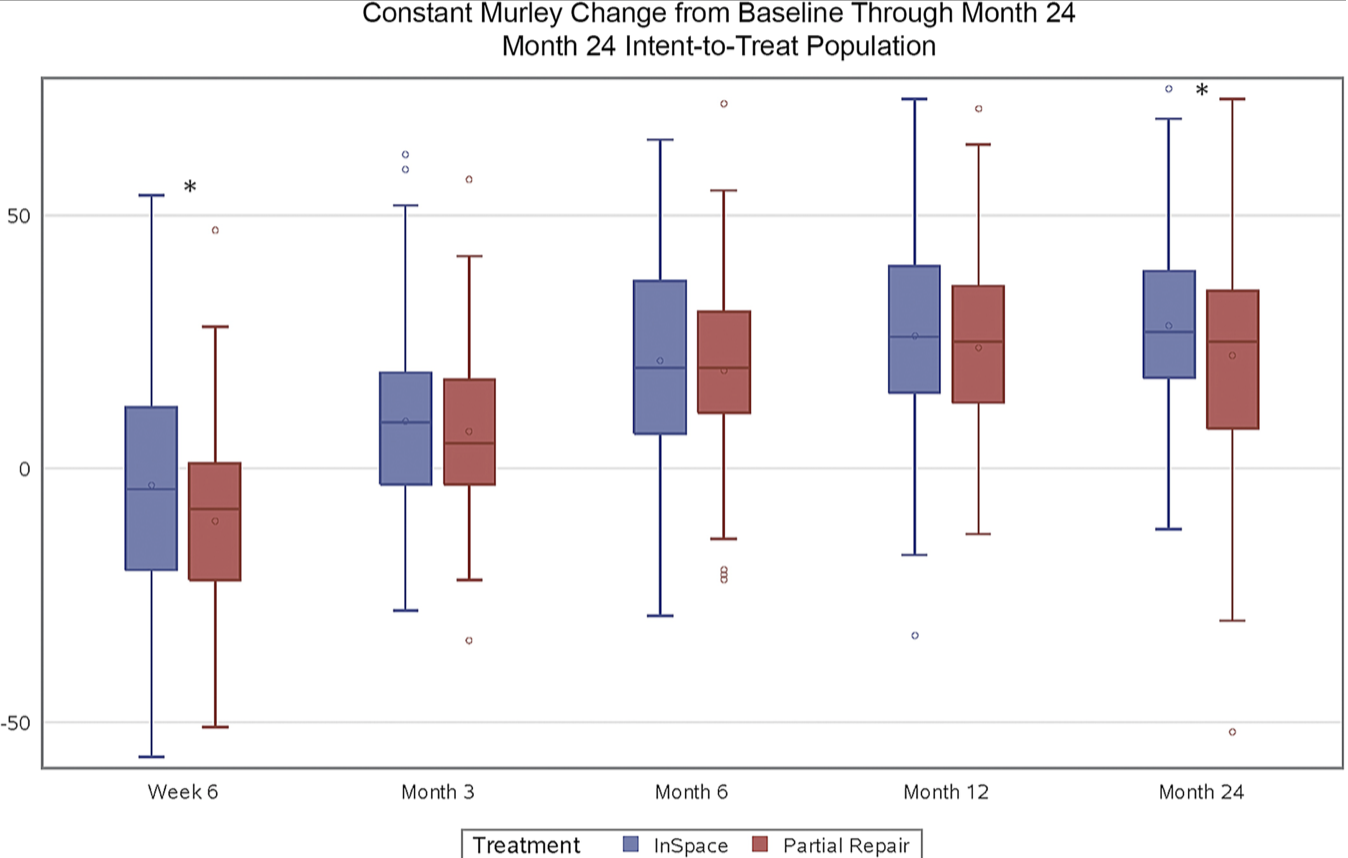
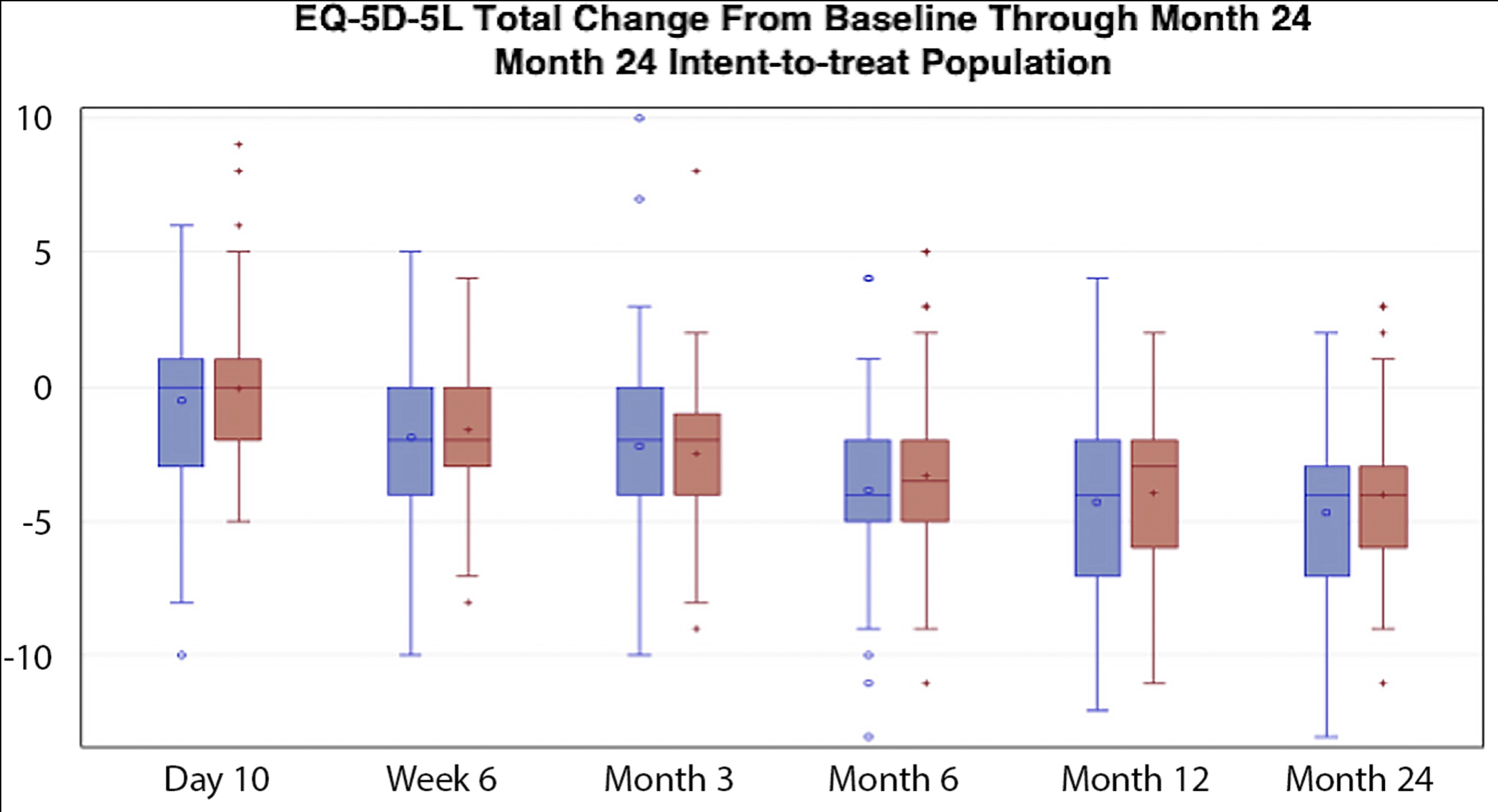
These authors evaluated the outcomes of a subacromial balloon spacer (InSpace; Stryker) compared with arthroscopic partial repair in patients with irreparable, posterosuperior massive rotator cuff tears. Twenty sites randomized 184 patients: 93 to the InSpace group and 91 to the partial repair group. 

Included patients were 40 years of age or older with symptomatic, irreparable, posterosuperior, massive rotator cuff tears and an intact subscapularis who had failed nonoperative management.


Intraoperative eligibility criteria were confirmed during the arthroscopic surgery. Subjects were included if the posterosuperior, massive rotator cuff tear was amenable to partial repair (adequate tissue quality to restore the force couple) but could not be completely repaired, the subscapularis was intact, and severe glenohumeral arthritis was not present. Eligible subjects were electronically randomized intraoperatively 1:1 to either receive the InSpace implant without partial repair (the treatment group) or undergo partial repair (the control group). Patients randomized to partial repair underwent suture anchor

repair (the best possible repair as determined by the operating surgeon) of the posterosuperior rotator cuff. 


Concomitant procedures were frequently performed in both groups.


The operative time was significantly shorter in the InSpace group that for the group having partial rotator cuff repair.


Subjects were blinded to their treatment assignment throughout the study. The rehabilitation program was the same for both groups.


Clinical outcome data were collected at baseline through a 24-month follow-up. The primary outcome measure was improvement in the American Shoulder and Elbow Surgeons (ASES) scores. Significant and clinically relevant improvements in the ASES score from baseline were noted in both groups at Month 12 and were maintained at Month 24. Overall, 83% of patients in the InSpace group and 81% of patients in the partial repair group achieved the ASES minimally clinically important difference threshold, and 82% of patients in the InSpace group and 79% of patients in the partial repair group achieved the substantial clinical benefit threshold. 


The shoulder physical examination was conducted by an investigator not blinded to treatment group. 


No device-related surgical complications were noted. 4 reoperations after InSpace implantation and 3 reoperations after partial repair were required.


The authors concluded that "the InSpace implant demonstrated functional and patient reported outcomes that were comparable with those of partial repair for the treatment of irreparable, posterosuperior, massive rotator cuff tears in shoulders with an intact subscapularis by month 12, with durable benefit maintained up to month 24. "


Comment: This study comparing the InSpace balloon to partial repair can be compared to another recent study (see this link) comparing the InSpace balloon combined with debridement to debridement alone; it found that debridement alone yielded superior outcomes to debridement combined with the balloon.


Further studies will elucidate whether the subacromial balloon offers clinically significantly better outcomes - i.e. an added benefit that exceeds the minimally important clinical difference -  than other treatment methods for the treatment of massive irreparable posterior rotator cuff tears. 


In patients with retained active elevation, the smooth and move procedure can produce substantial and durable improvement in comfort and function for patients with massive irreparable rotator cuff tears as well as for patients with failed rotator cuff surgery (see this link). Patients having this procedure are encouraged to return to their activities as soon as possible after surgery.


You can support cutting edge shoulder research that is leading to better care for patients with shoulder problems, click on this link.


Follow on twitter: https://twitter.com/shoulderarth

Follow on facebook: click on this link

Follow on facebook: https://www.facebook.com/frederick.matsen

Follow on LinkedIn: https://www.linkedin.com/in/rick-matsen-88b1a8133/

Here are some videos that are of shoulder interest
Shoulder arthritis - what you need to know (see this link).
How to x-ray the shoulder (see this link).
The ream and run procedure (see this link).
The total shoulder arthroplasty (see this link).
The cuff tear arthropathy arthroplasty (see this link).
The reverse total shoulder arthroplasty (see this link).
The smooth and move procedure for irreparable rotator cuff tears (see this link).
Shoulder rehabilitation exercises (see this link).


Thursday, April 28, 2022

The InSpace balloon (Stryker, USA): is this innovation of value to patients with irreparable rotator cuff tears?

The InSpace Ballon Implant was introduced to the U.S. medical device market by Stryker in July 2021 for arthroscopic treatment of massive irreparable rotator cuff tears (see this link). The InSpace device had previously received Conformité Européenne marking in 2010, and had been used in 29,000 procedures. The InSpace device is a saline-filled biodegradable balloon that is inserted surgically in the space between the humerus and the acromion. The cost of this device may vary, but locally it is about $7,000. This cost may or may not be covered by the patient's insurance.

The authors of the April 2022 Lancet publication,  Subacromial balloon spacer for irreparable rotator cuff tears of the shoulder (START:REACTS): a group-sequential, double-blind, multicentre randomised controlled trial, assessed the outcomes of this device with debridement in comparison to debridement alone.

They point out that "new surgical procedures can expose patients to harm and should be carefully evaluated before widespread use". They  aimed to determine the effectiveness of the InSpace balloon (Stryker, USA), an innovative surgical device that has been recommended as treatment for rotator cuff tears that cannot be repaired (see this link).


They conducted a double-blind, group-sequential, adaptive randomised controlled trial in 24 hospitals in the UK, comparing arthroscopic debridement of the subacromial space with biceps tenotomy (debridement only group) with the same procedure but including insertion of the InSpace balloon (debridement with device group). Participants had an irreparable rotator cuff tear, which had not resolved with conservative treatment, and they had symptoms warranting surgery. Eligibility was confirmed intraoperatively before randomly assigning (1:1) participants to a treatment group using a remote computer system. Masking was achieved by using identical incisions for both procedures, blinding the operation note, and a consistent rehabilitation programme was offered regardless of group allocation. Patients and assessors were blinded to group allocation, with intraoperative randomisation ensuring allocation concealment to ensure a low risk of bias.  The primary outcome was the Oxford Shoulder Score at 12 months.


They assessed allocated qualifying and consenting patients: 61 participants to the debridement only group and 56 to the debridement with InSpace Balloon group. 43% of participants were female, 57% were male. 


They obtained primary outcome data for 114 (97%) participants. The mean Oxford Shoulder Score at 12 months was 34·3 (SD 11·1) in the debridement only group and 30·3 (10·9) in the debridement with InSpace Balloon group (mean difference adjusted for adaptive design –4·2 [95% CI –8·2 to –0·26];p=0·037) favoring debridement alone over debridement with InSpace Balloon.


There was no difference in adverse events between the two groups. 


The authors found that the InSpace balloon is not an effective treatment, could be harmful, and is unlikely to be cost-effective. They concluded, "In an efficient, adaptive trial design, our results favoured the debridement only group. We do not recommend the InSpace balloon for the treatment of irreparable rotator cuff tears."

Comment: This is the first published randomised trial on the balloon and the first study to clearly demonstrate an absence of benefit for the device. The fact that the FDA has "cleared" this device for use (see this link) and that the United States Centers for Medicare & Medicaid Services (CMS) has established a new Healthcare Common Procedure Coding System (HCPCS) code C9781 for outpatient hospitals and ambulatory surgery centers to report the insertion of Stryker's InSpace balloon implant (see this link) would seem to attach some legitimacy to the use of this device.  However, as pointed out in a recent post (see this link), these actions do not assure the safety, efficacy or cost-effectiveness of new innovative devices. 

You can support cutting edge shoulder research that is leading to better care for patients with shoulder problems, click on this link.


Follow on twitter: https://twitter.com/shoulderarth

Follow on facebook: click on this link

Follow on facebook: https://www.facebook.com/frederick.matsen

Follow on LinkedIn: https://www.linkedin.com/in/rick-matsen-88b1a8133/

Here are some videos that are of shoulder interest
Shoulder arthritis - what you need to know (see this link).
How to x-ray the shoulder (see this link).
The ream and run procedure (see this link).
The total shoulder arthroplasty (see this link).
The cuff tear arthropathy arthroplasty (see this link).
The reverse total shoulder arthroplasty (see this link).
The smooth and move procedure for irreparable rotator cuff tears (see this link).
Shoulder rehabilitation exercises (see this link).


Sunday, June 21, 2020

The subacromial balloon spacer: does it help? Does it degrade? Does it lead to a foreign body reaction?


Symptomatic Foreign Body Reaction Secondary to Subacromial Balloon Spacer Placement: A Case Report

There are many unanswered questions about the indications for and the results of the subacromial balloon spacer (SAB).


This article points out that while functional improvement, pain reduction, and high satisfaction rates have been reported in patients with massive irreparable rotator cuff tears. It as also been advocated as means of protecting a cuff repair until healing takes place.

While Singh et al demonstrated that the SAB can effectively depress the humeral head and restore glenohumeral motion in cadavers when inflated with 25 mL of saline (which is higher than the volume recommended by the manufacturer),  imaging studies have failed to demonstrate that the subacromial balloon spacer can modify either the acromio-humeral distance or  the Hamada classification of the shoulder, thus casting doubt on the proposed stabilizing effect of the SAB. While pain reduction has been reported with the SAB, it is difficult to know whether this is related to the SAB or to the débridement and bursectomy performed during the arthroscopy. 

Although studies have suggested that the SAB resorbs one year postoperatively, clinical evidence of degradation is scant.

At this point, few major device-related complications have been reported: to date there has been one case of migration and two of synovitis with cyst formation. In the case reported here, the subacromial balloon was still present eight months postoperatively.


Its presence triggered a symptomatic foreign body reaction as proven by the histopathological analysis of the specimen.


Removal of the spacer was followed by a satisfactory outcome.

Comment: Further clinical research will be needed to define the indications, safety and outcomes of the SAB in comparison to less expensive treatments, especially in the case of irreparable cuff tears in shoulders with retained active elevation (see this link).

===

We have a new set of shoulder youtubes about the shoulder, check them out at this link.

Be sure to visit "Ream and Run - the state of the art" regarding this radically conservative approach to shoulder arthritis at this link and this link

Use the "Search" box to the right to find other topics of interest to you.

You may be interested in some of our most visited web pages  arthritis, total shoulder, ream and run, reverse total shoulder, CTA arthroplasty, and rotator cuff surgery as well as the 'ream and run essentials'


Monday, October 7, 2019

Subacromial balloon spacer- do we understand the mechanics?

The effect of the subacromial balloon spacer on humeral head translation in the treatment of massive, irreparable rotator cuff tears: a biomechanical assessment

These authors evaluated the ability of a subacromial balloon spacer to depress the humeral head in a cadaveric model of a massive, irreparable rotator cuff tear.

They noted that after the creation of a massive rotator cuff tear involving the supraspinatus and infraspinatus, the humeral head translated superiorly by an average of 3.5 mm when the deltoid was loaded to 80N. 

When the balloon was inflated to 10 mL, the normal humeral head position was not restored; when the balloon was inflated to 40 mL the it overtranslated the humeral head anteroinferiorly. When the balloon was inflated to 25 mL, the humeral head position was similar to that of before the creation of the cuff tear. 

Comment: This study found that a massive cuff tear resulted in less than 4 mm of superior translation of the humeral head. Clinical experience indicates that deltoid strengthening alone can usually compensate for this small amount of superior displacement.  This study did not demonstrate that the deltoid was more efficient after the placement of the balloon. 

This study points out that the ability of the balloon to depress the humeral head is critically dependent on the volume of fluid it contains at time zero. However, it does not present data on how long the balloon remains inflated to the desired volume. 

The role of this device in the management of irreparable cuff tears remains undefined.

Here is another recent post on the topic:

Biomechanics of Biodegradable Subacromial Balloon Spacer for Irreparable Superior Rotator Cuff Tears Study of a Cadaveric Model 

These authors used a cadaveric model to test the initial in vitro function of a subacromial balloon spacer ((InSpace; OrthoSpace)* in a simulated neutral arm position (balanced) and in active shoulder abduction (unbalanced).


They found that when the balloon was inflated with saline over the irreparable supraspinatus tear in the balanced condition, glenohumeral contact pressure increased by 122% (p = 0.006) compared with that for the irreparable tear at 0 of abduction and by 94% (p = 0.046) at 60. In the unbalanced condition, pressure decreased in the irreparable tear condition after the balloon was inflated, restoring pressure to close to that in the intact state. The balloon did not restore glenohumeral contact area to that in the intact shoulder in either the balanced or the unbalanced condition. The irreparable tear displaced the humeral head superiorly in the unbalanced condition, decreasing the acromion-humeral interval. On inflation the balloon moved the head inferiorly by 6.2 ± 1.3 mm (p < 0.001) at 0 of abduction, 4.4 ± 1.3 mm (p < 0.001) at 30, and 3.0 ± 0.8 mm (p < 0.001) at 60. The balloon increased the deltoid load after an irreparable tear by 8.2% (p = 0.022) at 0, 12.6% (p = 0.002) at 30, and 11.1% (p = 0.008) at 60. 

The authors point out that small, mostly uncontrolled clinical studies have shown that the balloon is associated with improved pain and functional scores with minimal intraoperative or postoperative complications. Unsatisfactory outcomes were reported in 1 small prospective case series with 2-year follow-up . The study with the highest level of evidence showed good results, but it could not establish whether they were a direct effect of the balloon or of additional interventions. Complications have included conversion to reverse shoulder arthroplasty and revision because of balloon migration. It has been estimated that the balloon remains inflated for up to 12 months. One magnetic resonance imaging study showed that the balloon was progressively compressed and surrounded by an inflammatory stratus from 6 to 12 months after implantation, and it degraded into a thick layer of fibrosis by 24 months.

*Kalamazoo, Michigan, March 14, 2019 (GLOBE NEWSWIRE) -- "Stryker (NYSE:SYK) announced on 3/14/2019 it has completed the acquisition of OrthoSpace, Ltd., a privately held company founded in 2009 and headquartered in Caesarea, Israel, in an all cash transaction for an upfront payment of $110 million and future milestone payments of up to an additional $110 million. OrthoSpace’s product portfolio provides a highly differentiated technology for the treatment of massive irreparable rotator cuff tears. The InSpace product is a biodegradable sub-acromial spacer, which is designed to realign the natural biomechanics of the shoulder. The technology has a long clinical history with over 20,000 patients treated across 30 countries. In the U.S., InSpace is currently under clinical study and not approved for use."

Comment: The management of irreparable rotator cuff tears needs to be based on the patient's clinical findings. The range of successful treatments extends from gentle stretching and strengthening exercises to a reverse total shoulder. 

We find that for patients with symptomatic irreparable tears with retained active elevation and without arthritis, a simple "smooth and move" procedure can restore comfort, range of motion and function, as demonstrated below. On the other hand, for those with pseudo paralysis, we find that a reverse total shoulder is the most reliable procedure. We have not yet found a place in our practice for superior capsular reconstruction or subacromial ballon catheters. 

Significant improvement in patient self-assessed comfort and function as early as six weeks after the smooth and move procedure for shoulders with irreparable rotator cuff tears and retained active elevation

These authors point out that it has been previously  documented that the smooth and move procedure—smoothing the proximal humeral surface while maintaining the coracoacromial arch—can provide clinically significant long-term improvement in function for patients having irreparable rotator cuff tears with retained active elevation (see previous blog post that is reproduced below).

In this study they sought to demonstrate that clinically significant gains in comfort, function, and active motion can be realized as early as 6 weeks after this procedure. They conducted a prospective cohort study of the 6-week clinical outcomes for 48 patients enrolled prior to a smooth and move procedure for irreparable rotator cuff tears. Prior rotator cuff repair had been attempted in 28 (70%).

In 40 patients with preoperative and 6-week postoperative measurements, the Simple Shoulder Test scores improved from an average of 3.4 ± 2.8 preoperatively to 5.7 ± 3.5 at 6 weeks (p < 0.001), an improvement that exceeded the published values for the minimal clinically important difference (MCID).


The clinical outcomes were not worse for the 18 shoulders with irreparable tears of both the supraspinatus and infraspinatus.


In 30 patients with preoperative and 6-week postoperative objective measurements of active motion, the average abduction improved from 93(± 43) to 123(± 47)° (p = 0.005) and the average flexion improved from 102(± 46) to 126(± 44)° (p = 0.023).


They concluded that in addition to its previously documented long-term effectiveness for shoulders with irreparable rotator cuff tears and retained active elevation, this study demonstrates that the smooth and move procedure provides clinically significant improvement as early as 6 weeks after surgery.

They present the case example of a 71 year old physician photographer with a failed prior cuff repair attempt. Here is the preoperative radiograph
At surgery he had no supraspinatus or infraspinatus. The debris shown below was removed from his humeroscapular motion interface

This video (used with permission of the patient) shows his function 6 weeks after surgery.


Eight weeks after surgery he was photographing north of the Arctic Circle. Here's one of his photos.


This study should be considered along with a prior study, which is discussed below.

Treatment of irreparable cuff tears with smoothing of the humeroscapular motion interface without acromioplasty

These authors sought to determine whether shoulders with irreparable rotator cuff tears and retained active elevation (>100 degrees) can be durably improved using a conservative surgical procedure that smoothes the interface between the proximal humeral convexity and the concave undersurface of the coracoacromial arch followed by immediate range of motion exercises.

The typical pathology in these cases is shown in the figure below.

The surgical approach is through a deltoid splitting incision that preserves the deltoid origin, the acromion and the coracoacromial ligament.


The coracoacromial arch is preserved to avoid the complication of anterosuperior escape that is commonly encountered when acromioplasty is performed in the presence of a large cuff tear.

The surgery includes smoothing of the prominence of the greater tuberosity that is exposed in cuff tears along with resection of adhesions in the humeroscapular motion interface and a gentle manipulation under anesthesia to resolve the stiffness that is commonly associated with chronic cuff tears. Immediate active assisted and active motion are encouraged immediately after surgery. Because no repair or reconstruction has been performed, activities, including deltoid strengthening can be resumed as soon as they are comfortable. 

They reviewed 151 patients with a mean age of 63.4 (range 40–90) years at a mean of 7.3 (range 2–19) years after this surgery. The patient data are shown below, contrasting the patients that did and did not improve by the MCID of 2 in the Simple Shoulder Test


In 77 shoulders with previously unrepaired irreparable tears, Simple Shoulder Test (SST) scores improved from an average of 4.6 (range 0–12) to 8.5 (range 1–12) (p < 0.001). Fifty-four patients (70%) improved by at least the minimally clinically important difference (MCID) of 2 SST points. 

For 74 shoulders with irreparable failed prior repairs, SST scores improved from 4.0 (range 0–11) to 7.5 (range 0–12) (p < 0.001). Fifty-four patients (73%) improved by the MCID of 2 SST points.

They provided this case example. A rancher in his mid 60s had a right rotator cuff reconstruction with freeze-dried acellular human dermal collagen tissue matrix that subsequently became infected. He presented to us with a painful stiff right shoulder. At surgery there was extensive scar throughout the humeral scapular motion interface. The subscapularis was detached but was reconstructible. The supraspinatus was absent. The upper 2/3 of the infraspinatus was absent as well. The tuberosities were prominent. He had a smooth and move procedure at which time the abundant scar in the humeral scapular motion interface was debrided. The previous sutures and Graft Jacket were excised. The bursa was removed. The prominent tuberosities were resected using a rongeur and a burr. A manipulation under anesthesia was performed to assure a full passive range of motion. Passive and active range of motion exercises were started immediately after surgery. Three years later he reported excellent shoulder comfort and function and sent us this photo of his return to one of his favorite activities


They concluded that smoothing of the humeroscapular interface can durably improve symptomatic shoulders with irreparable cuff tears and retained active elevation > 100 degrees. They point out that this conservative procedure offers an alternative to more complex procedures in the management of irreparable rotator cuff tears.
Here's a youtube describing the smooth and move in a bit more detail


===

We have a new set of shoulder youtubes about the shoulder, check them out at this link.

Be sure to visit "Ream and Run - the state of the art"  regarding this radically conservative approach to shoulder arthritis at this link and this link

Use the "Search" box to the right to find other topics of interest to you.


You may be interested in some of our most visited web pages   arthritis, total shoulder, ream and run, reverse total shoulder, CTA arthroplasty, and rotator cuff surgery as well as the 'ream and run essentials'